
What Living Room Furniture Helps Reduce Clutter?

The fastest way to achieve a clutter-free living room isn’t buying more bins or spending hours organizing; it’s choosing furniture that works double duty. When your coffee table hides remotes, your ottoman swallows blankets, and your shelves store instead of just display, clutter loses its foothold. Smart living room furniture transforms your living space from a dumping ground into a functional, calm environment where everything has a home.
Typical clutter sources in living rooms include remote controls, kids’ toys, throw blankets, chargers, paperwork, magazines, and random items that accumulate on every flat surface. The good news? Strategic furniture choices can contain all of it without sacrificing style or comfort. Many living rooms have limited space, making it essential to maximize space with extra storage solutions like baskets, shelves, and multifunctional furniture.
This article focuses on concrete furniture pieces and layouts that create more space in both small living rooms and larger spaces. Decluttering your living room can help alleviate stress and improve focus. Here’s what we’ll cover:
Main furniture strategies for reducing clutter:
-
Multifunctional pieces that combine storage with everyday use
-
Hidden storage solutions that keep everyday items out of sight
-
Vertical storage that clears the floor and uses wall space
-
Right-sized furniture that prevents a living room from feeling cramped
Key furniture categories to prioritize:
-
Storage coffee tables and ottomans
-
Media consoles with closed fronts
-
Bookcases and floating shelves
-
Slim seating and nesting tables
-
Baskets, bins, and trunks
Key Takeaways: Best Furniture to Keep Your Living Room Tidy
Before diving into specifics, here are the essential points for keeping your living room tidy and visually appealing:
-
Storage coffee tables serve as the command center for reducing clutter. Choose lift-top or drawer models to hide remotes, magazines, and coasters beneath a functional surface.
-
Storage ottomans provide extra seating while concealing blankets, toys, and games inside built-in storage compartments, offering additional storage for items you want out of sight.t
-
Media consoles with doors are essential for hiding cables, routers, and devices that create visual clutter around the TV focal point. nt
-
Prioritize hidden storage in every furniture piece possible; enclosed spaces limit dust, prevent tumbling items, and keep surfaces clear.
-
Choose furniture that fits your room scale, oversized sofas and chairs block pathways, and create visual overload even in otherwise tidy spaces.
-
Combine clever furniture placement with storage features to maximize space and maintain an effective organization system, keeping walkways open and surfaces organized for a clutter-free environment that actually stays that way.
Storage Coffee Tables: The Clutter Control Center
The coffee table is typically the primary clutter magnet in any living room, which makes it the best place to start upgrading your furniture. Professional organizer insights consistently show that a tidy living room features coffee tables limited to minimal decorative items, a single candle or book, with everything else tucked away. Coffee tables that offer extra storage can be invaluable for reducing clutter in small living rooms.
Lift-top coffee tables with interior storage:
-
The top raises via gas-lift hinges for smooth, spring-assisted opening
-
Interior compartments store remote controls, game controllers, chargers, and coasters
-
The lifted surface doubles as a work desk or dining spot when needed
-
Ideal for small spaces where furniture must serve multiple purposes
Coffee tables with drawers or lower shelves:
-
Drawer systems with soft-close glides and divided inserts compartmentalize small objects and prevent a disorganized jumble
-
Lower shelves work best with matching baskets for books, blankets, and magazines. Using baskets for storage on these shelves can help keep items organized while adding a decorative touch to the living room.
-
Drawers handle small items like pens, notepads, and extra stuff that would otherwise scatter
-
Enclosed drawers reduce dust and keep items secure compared to open-shelf designs.
Baskets can be used throughout the living room to add extra storage and help keep the space organized.
Choosing the right coffee table for small rooms:
-
Round or oval storage coffee tables improve visual flow in tight spaces
-
Nesting coffee tables offer two or three surfaces that tuck together when not needed
-
Glass-top tables with storage underneath create the illusion of more space while still providing organization
-
Tables with visible legs maintain negative space beneath, making the room feel less crowded
Storage Ottomans and Benches: Hidden Space for Daily Essentials
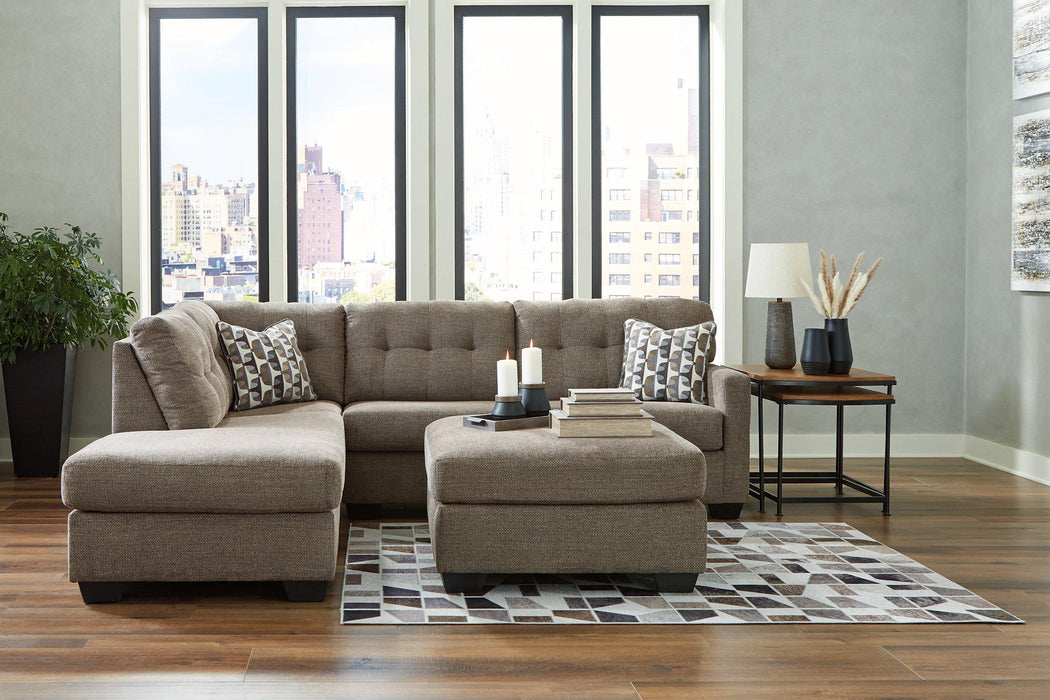
Upholstered storage ottomans and benches can replace or supplement a coffee table while hiding bulky items that would otherwise pile on the floor or drape over furniture. These pieces function as footrests, additional seating, or temporary coffee tables, all while harboring internal compartments for items you need accessible but out of sight.
Classic hinged-top ottomans:
-
Store blankets, pillows, board games, and kids’ toys completely out of sight
-
Hinged lids allow quick access without disrupting the room layout
-
A single large ottoman can conceal 4-6 cubic feet of items, correlating to roughly 40% reduction in perceived clutter
-
Choose firm, flat-top models that can hold a tray for dridécordécorcor pieces
Long storage benches:
-
Position behind a sofa or under a window for extra seating plus storage
-
Ideal for sdécordécorcor, rarely used items, or extra blankets
-
Create defined zones in open floor plans while adding storage space
-
Works as a spot to sit while putting on shoes near an entryway
Making ottomans work as coffee table alternatives:
-
Select ottomans with trays or firm tops for stable surfaces
-
One large multipurpose ottoman can eliminate the need for multiple small side tables that add visual clutter
-
Leather or durable fabric options withstand daily use as both seating and a table
-
Square or rectangular shapes provide more usable surface area than round options
Media Consoles and TV Units That Hide the Mess
TV areas naturally attract cables, devices, remote controls, and small objects that create visual chaos. Closed media storage is non-negotiable for achieving a living room clutter-free zone around your main focal point.
Low TV consoles with doors and drawers:
-
Doors hide routers, game consoles, streaming devices, and DVDs behind closed fronts
-
Drawers organize smaller items like batteries, controllers, and instruction manuals
-
Cabinets with adjustable shelves accommodate equipment of various sizes
-
Choose units with ventilation to prevent overheating of electronics
Cord management features to prioritize:
-
Grommets and cable cutouts route wires out of sight
-
Back panels with access holes allow easy setup while keeping cords hidden
-
Built-in power strips or surge protectors reduce floor-level cord tangles
-
Velcro ties or clips inside cabinets bundle cables neatly
Sizing your media console correctly:
-
Select a console at least as wide as the TV to create a balanced, tidy appearance
-
Too-narrow units make the TV look top-heavy, and the area feel cramped
-
Standard depths of 15-18 inches provide adequate storage without protruding into walkways
-
Wall-mounted shelves above or around the TV, combined with a closed console below,w maximize living room storage while keeping surfaces clear
Sofas, Sectionals, and Chairs: Right-Sized Seating that Avoids Clutter
Oversized or excessive seating creates cluttered walkways and crowded corners, even if the room is technically “clean.” The right furniture pieces provide comfort without overwhelming the space or blocking natural pathways. Maintaining open spaces between furniture is essential for a sense of openness and easy movement, especially when dealing with limited space, so always consider the size and placement of seating in smaller living rooms.
Choosing apartment-sized sofas for smaller rooms:
-
Sofas under 80 inches work better in most small living rooms
-
Loveseats free up floor space for storage pieces like ottomans or consoles
-
Narrow arms (under 6 inches wide) add visual breathing room without sacrificing comfort
-
Armless sofas or benches maximize seating in tight spaces, making them ideal for limited space and helping maintain open spaces
Sectionals with built-in storage:
-
Storage chaises conceal blankets, reading materials, and extra pillows
-
Arm storage compartments keep remote controls and magazines within reach
-
Modular sectionals can be reconfigured as needs change
-
Choose L-shaped configurations over U-shaped in smaller rooms
Creating clear pathways:
-
Replace one bulky recliner with two small armchairs or slipper chairs
-
Maintain at least 30 inches of clearance in main walkways
-
Sofas with visible legs (raised off the floor) create an airier feel
-
Elevated furniture allows low storage boxes or baskets underneath for extra hidden storage
Side Tables, Console Tables, and Nesting Tables: Surfaces That Stay Organized
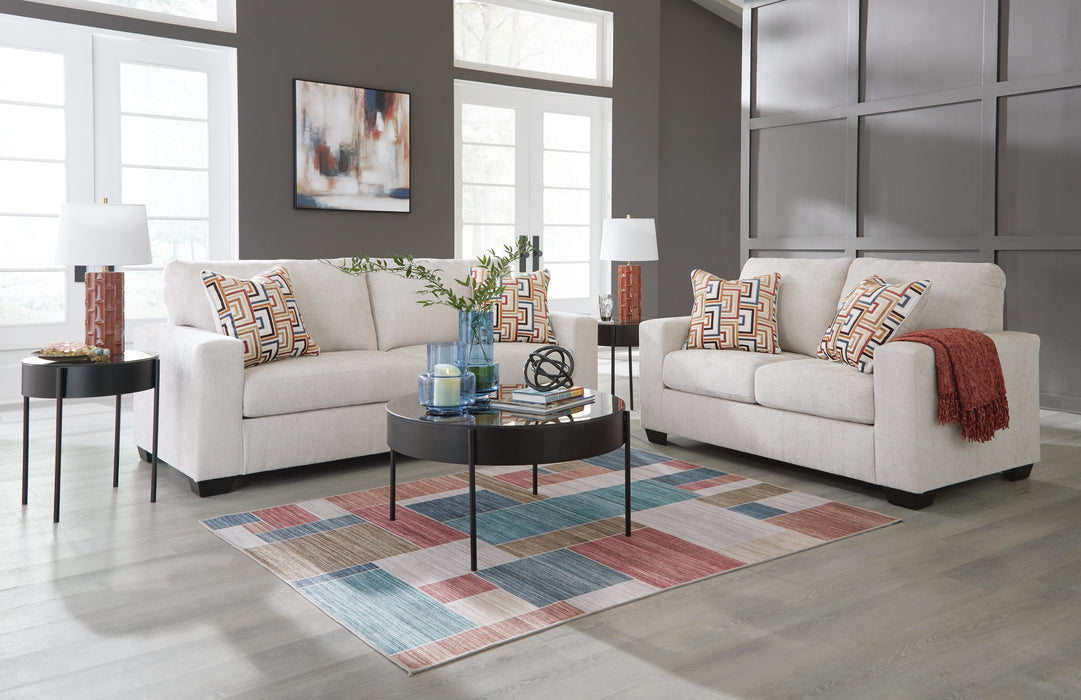
Strategically chosen small tables prevent cluttered coffee tables and floor piles by distributing storage throughout the room. Every seating area should have reachable storage nearby so items don’t migrate to central surfaces.
End tables with drawers or shelves:
-
Drawers hide remotes, chargers, books, reading glasses, and knick-knacks
-
Single-drawer models with an open shelf below offer both hidden and accessible storage
-
Position one beside each central seating spot to avoid clutter, and transfer to the coffee table
-
Choose tables with sturdy construction that can handle daily drawer use
-
Incorporating an organizational system with baskets and labeled drawers helps maintain a tidy and functional living room by keeping items sorted and easy to find.
Slim console tables:
-
Place behind the sofa or along a wall for quick-drop items like bags, mail, and keys
-
Baskets underneath corral kids’ toys, magazines, or throw blankets
-
Standard depth of 12-15 inches provides storage without blocking walkways
-
Two-tiered options double the storage space in the same footprint
Nesting tables as a space-saving option:
-
Spread out for guests, then stack together to reduce visual clutter
-
Three-table sets multiply surface area without expanding the permanent footprint
-
Choose sets with uniform styling to avoid a mismatched look when separated
-
Limit tdédécor decor to a small tray and one or two intentional decorative items, keeping the majority of each surface clear.
Bookcases and Wall Shelves: Using Vertical Furniture to Clear the Floor
Vertical furniture, like tall bookcases and wall-mounted shelves, moves storage up the wall and keeps the floor open. This approach is especially valuable in small spaces where every square foot of floor matters.
Tall, narrow bookcases for small living rooms:
-
Store books, baskedédécor decor vertically instead of on every horizontal surface
-
5-7 foot tall units with 4-6 shelves maximize vertical space without overwhelming the room
-
Place in corners or beside media units to use otherwise empty space
-
Anchor to the wall for safety and stability
Floating shelves for frequently used items:
-
Install at eye level to draw attention upward and amplify perceived room size
-
Keep speakers, small plants, frames, or statement pieces easily accessible
-
Leave 25-30% of each shelf empty to reduce visual clutter and create visual appeal
-
Concealed brackets create a seamless wall appearance
Combining closed and open storage:
-
Units with closed lower cabinets and open upper shelves hide less attractive items while displaying favorites
-
Lower doors conceal DVDs, games, and paperwork; upper built-in shelves showcase bodédécor décor pieces
-
This combination balances accessibility with organization
-
Avoid overfillingdédécor decor in small clusters to keep the room feeling calm
Multifunctional Furniture for Small Living Rooms
In small apartments and studio living rooms, every furniture piece must earn its place by serving multiple purposes. Multifunctional furniture can eliminate the need for several separate pieces, creating more space and less clutter. Maximizing space is especially important in limited space environments, where wise furniture choices and organization can make a significant difference in reducing clutter and improving functionality.
Sleeper sofas and futons:
-
Provide both seating and occasional guest beds
-
Eliminate the need for a separate guest room or air mattress stored elsewhere
-
Modern designs offer improved mattress quality and style options
-
Storage-equipped sleeper sofas combine three functions in one piece
Drop-leaf and fold-out tables:
-
Serve as a desk or dining spot when needed
-
Fold away against the wall to minimize daily clutter
-
Wall-mounted fold-down desks work well in living rooms that double as home offices
-
Choose styles that blend with tdécdécordecor when folded
Stools and poufs that nest away:
-
Tuck under consoles or coffee tables when not in use
-
Provide extra seating for guests without a permanent floor space commitment
-
Serve as footrests or side tables in a pinch
-
Limit the number of furniture pieces by choosing items that cover seating, storage, and work surface needs simultaneously.y
Baskets, Bins, and Trunks: Portable Storage That Works with Your Furniture
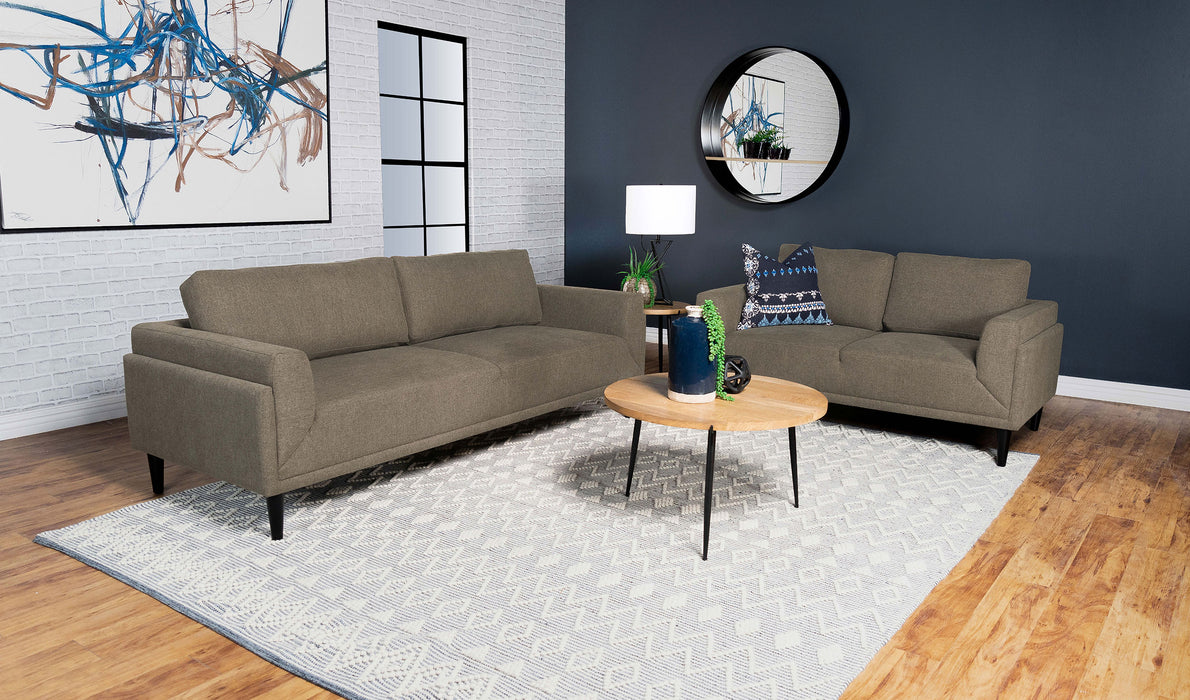
Standalone storage pieces like baskets and trunks work best when integrated around existing furniture rather than scattered randomly throughout the room. These pieces add storage space without requiring permanent furniture changes.
Large woven baskets for daily items:
-
Place beside the sofa or under consoles for throws, kids’ toys, or exercise gear
-
Keep items accessible without letting them pile on the seating or the floor
-
Choose baskets with handles for easy transport between rooms
-
Natural materials add texture without creating visual overload
Coordinated baskets on furniture shelves:
-
Matching or coordinating baskets on the lower coffee table shelf unifies small items
-
Use on open bookcase shelves to hide contents while maintaining a tidy look
-
Label baskets for household members to encourage putting items away
-
Stick to two or three basket styles maximum per room for visual cohesion
Vintage-style trunks and chests:
-
Function as coffee tables or side tables with deep hidden storage
-
Store photo albums, craft supplies, seasonal items, or sentimental value keepsakes
-
Solid construction withstands daily lid operations
-
Provides up to 4-6 cubic feet of concealed storage in a single piece
Avoiding storage overload:
-
Limit visible containers to a few large, tidy pieces rather than many small bins
-
Too many baskets and bins create their own form of clutter
-
Focus on storing items where they’re used most frequently
-
Regularly clean out containers to prevent buildup
Managing Cords and Wires: Taming the Tech Tangle
Cords and wires are notorious for turning even the most thoughtfully designed living room into a cluttered living room. Whether it’s the tangle behind your TV, the charger cords snaking across the floor, or the power strips under your side tables, visible wires create instant visual clutter and make your living space feel cramped and chaotic.
To achieve a truly clutter-free living room, it’s essential to get serious about cord management. Start by making use of vertical space, install floating shelves or wall-mounted shelves above your media console or behind your sofa to keep devices and their cords off the floor. Built-in storage compartments within furniture, like media consoles or storage ottomans, are perfect for hiding power strips, chargers, and remote controls, keeping everyday items out of sight and surfaces clear.
In small living rooms, every inch counts. Use hidden storage solutions such as built-in shelves or storage ottomans to store extra cords, chargers, and tech accessories. This not only reduces visible clutter but also creates more storage space for other essentials, helping your living room feel open and organized. Decorative items like baskets or bins can double as cord stations. Simply tuck away cables and chargers when not in use, so they don’t become a dumping ground for random items.
Professional organizers recommend designating a specific spot for all your cords and wires. Whether it’s a drawer in your media console, a labeled basket on a shelf, or a hidden compartment in your coffee table, giving every cord a home is key to maintaining a tidy living room. Use cable ties, cord clips, or cord concealers to keep wires bundled and out of sight, and regularly clean and check these areas to prevent clutter from creeping back in.
Don’t underestimate the power of negative space and breathing room in your lividécdécordecor. By intentionally leaving some empty space, whether it’s a clear stretch of wall, an uncluttered area rug, or a shelf with room to spare, you create a sense of calm and make the room feel larger. This visual balance is essential in small spaces, where too many visible cords or knick-knacks can quickly overwhelm the eye.
Ultimately, managing cords and wires is about more than just hiding them; it’s about creating a clutter-free environment that feels relaxing and visually appealing. With the proper storage solutions, a little organization, and a commitment to regularly clean and tidy up, you can transform your living room into a space that’s both functional and beautiful, no matter how much tech you have. Innovative Furniture Layouts that ReBuilduptter BuBuildupeyond specific pieces, how you arrange furniture determines whether clutter accumulates or stays under control. A thoughtful layout creates a clutter-free environment that’s easier to maintain daily. Maintaining open spaces between furniture and arranging pieces to maximize space are key strategies for keeping the living room open, functional, and free of clutter.

Keeping pathways clear:
-
Maintain at least 30 inches of clearance in main walkways (door to sofa, sofa to kitchen)
-
Wide pathways prevent items from piling in bottleneck areas
-
Avoid pushing furniture against walls if it creates awkward dead zones behind it
-
Test traffic flow before finalizing furniture placement
Creating defined zones:
-
Use area rugs and furniture placement to establish seating, media, work, and play areas
-
Each zone should have its own storage furniture nearby
-
Zoning prevents random items from migrating across the entire room
-
Behind-sofa consoles can delineate lounging from entryway traffic in open floor plans
Establishing a single focal point:
-
Orient furniture around one mcentralelement (TV, fireplace, or large window)
-
Avoid scattered groupings that create a messy, unfocused feel
-
Clear sightlines to the focal point make the room feel larger and more organized
-
Balance the focal point wall with appropriate storage furniture
Using dead corners productively:
-
Add a small chair plus a basket, a plant stand, or a narrow shelf
-
Avoid stacking random items in corners where they accumulate
-
Corner shelving units maximize otherwise wasted floor space
-
A single statement piece in a corner looks intentional; piles of stuff look neglected
Simple Daily Habits that Work with Your Furniture Choices
Even the best furniture can’t control clutter without simple routines, but good storage pieces make those routines dramatically easier and faster to maintain.
5-10 minute nightly reset:
-
Use a storage ottoman, coffee table drawers, and baskets to clear all surfaces before bed
-
Return throws to their basket, remotes to their drawer, toys to their bin
-
This single habit prevents clutter from compounding over days
-
Storage furniture makes this reset possible in minutes rather than an hour
Assign every item a home:
-
Each common item, remote controls, blankets, toy baskets, and chargers, gets a specific spot inside or on furniture
-
Family members learn where things belong, making it easier to organize and maintain order
-
Labeling drawers or baskets helps establish and reinforce these homes
-
Items without assigned homes become permanent clutter
Weekly maintenance checks:
-
Review shelves, tables, and surfaces to remove anything that doesn’t belong in the living room
-
Apply a “one in, one out” rule to sustain gains and avoid clutter
-
Check inside storage furniture buildup
-
Rotate decorative items seasonally to keep displays fresh and intentional
Good storage furniture combined with simple habits means less time tidying and more time actually enjoying your living space. The goal isn’t a magazine-perfect room; it’s a functional space where you can rest, relax, and live comfortably.
Summary: Choosing Furniture that Keeps Your Living Room Clutter-Free
Storage-focused, right-sized, and multifunctional furniture can dramatically reduce clutter without requiring constant vigilance or weekend-long organization projects. When every piece in your living room includes storage or serves multiple purposes, maintaining order becomes almost automatic.
Key furniture categories to prioritize:
-
Storage coffee tables with drawers or lift-tops
-
Storage ottomans and benches with hidden compartments
-
Media consoles with closed doors and cord management
-
Vertical storage, like floating shelves and tall bookcases
-
Right-sized sofas and chairs that don’t overwhelm pathways
-
Coordinated baskets and trunks for flexible portable storage
Making it all work together:
-
Bright layout with clear zones and wide pathways prevents clutter accumulation
-
Daily habits like a nightly reset and assigned item homes keep surfaces clear
-
Quality storage pieces that match your room’s scale and style create an aesthetically pleasing space that functions well
Start by reassessing one furniture piece at a time rather than trying to change the entire room in a single day. Your coffee table or a worn-out ottoman might be the first upgrade that makes all the difference in how your living room looks and feels.
Get Your Living Room Furniture Today at Discount Mattress & Furniture!
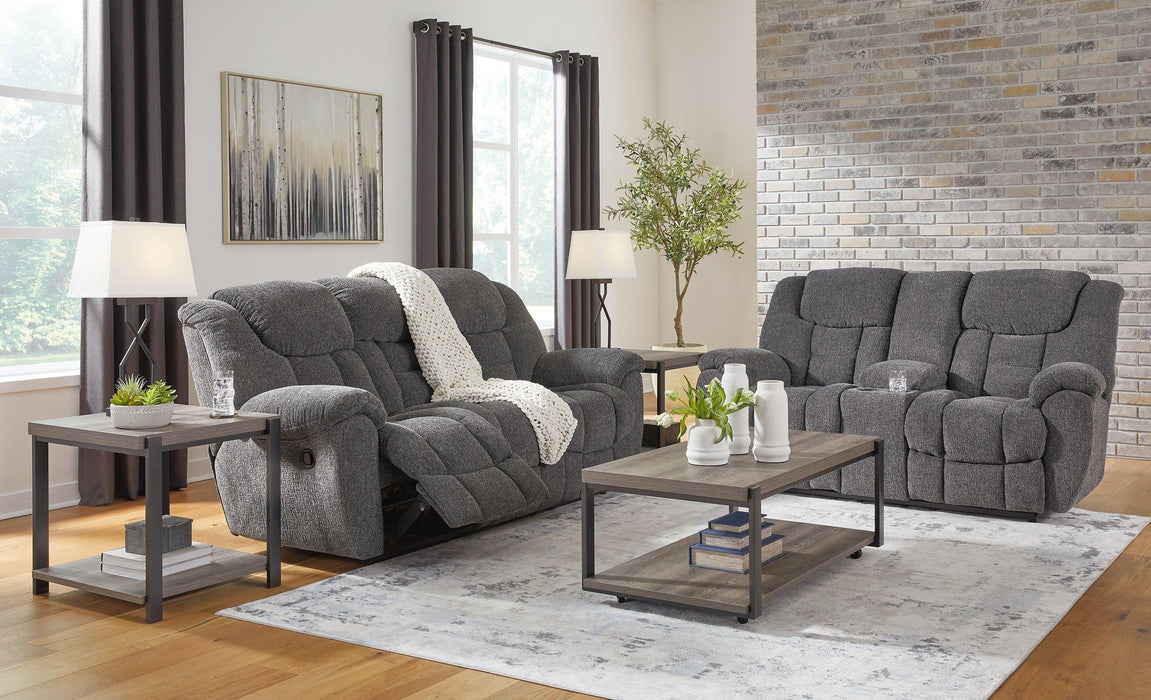
Your living room deserves furniture that’s both comfortable and built for everyday use. At Discount Mattress & Furniture, our living room furniture collection is designed to help you create a space that feels welcoming, functional, and easy to enjoy. From supportive sofas and sectionals to practical tables and storage pieces, each item is made to support relaxation, gatherings, and daily life.
Explore our collection today and find pieces that fit your space and lifestyle. Whether you’re furnishing a small living area or updating a larger room, the right furniture can make your living room more comfortable, organized, and enjoyable every day.