
How to Select Bedroom Furniture for Balanced Room Layouts

A balanced bedroom layout starts long before you browse bedroom furniture online or walk into a showroom. It begins with understanding how to select bedroom furniture for balanced room layouts, choosing each piece so the room feels calm, proportional, and easy to move through. Whether you’re furnishing your own bedroom from scratch or refreshing an existing space, the goal is the same: create a personal sanctuary that supports restful sleep and functions smoothly in daily life.
This isn’t just about aesthetics. A queen bed that crowds walkways or a dresser blocking closet doors will make your bedroom feel like an obstacle course. The magic number for main walkways? Aim for 30 to 36 inches of clear walking space. In smaller bedrooms, multi-functional pieces, storage beds with drawers underneath, wall-mounted shelves instead of bulky nightstands, become essential rather than optional.
In this guide, you’ll learn a step-by-step process for measuring your bedroom space, choosing the right bed as your anchor, selecting storage that fits your wall space, and adding seating without disrupting the room’s flow. By the end, you’ll have a clear framework for choosing bedroom furniture that creates visual interest while keeping traffic flow smooth and the overall room feel open and inviting.
Step 1: Measure Your Bedroom and Plan the Layout
Before you commit to any bed frame, dresser, or nightstand, you need accurate measurements. Skipping this step is the fastest way to end up with furniture that overwhelms a smaller room or gets lost in a larger room. Think of measuring as the foundation; everything else builds on it.
Start by measuring the length, width, and ceiling height of your bedroom. Then document every architectural feature that affects furniture placement: doors (including closet doors), windows, radiators, outlets, light switches, and any built-in elements. Note how far doors swing open and where natural light sources enter the room. These details determine what fits and where.
Clearance targets matter more than most people realize. Plan for 30 to 36 inches of walking space along main pathways, from the door to the bed, from the bed to the bathroom or closet. On each accessible side of the bed, you need at least 24 inches to move comfortably, make the bed, and avoid that cramped feeling that turns a bedroom into just a place you tolerate rather than enjoy. In front of dressers and wardrobes, allow 30 inches minimum so drawers open fully without forcing you to squeeze past.
Sketch your floor plan to scale on graph paper, or use a free online room planner. Mark every window, door, and outlet. Place the bed first; it’s the largest piece and the visual anchor. Then add storage pieces, followed by any seating or work areas. This sequence prevents the common mistake of buying a beautiful dresser that blocks half the closet or a reading chair that has nowhere logical to go.

Step 2: Choose the Right Bed Size and Style as the Anchor
The bed dominates your bedroom’s visual and functional landscape. It’s the focal point that draws the eye and sets the tone for everything else. Getting the bed right, size, style, and placement, is the single most important decision in creating a balanced bedroom layout.
Scale matters enormously. A queen bed (60” x 80”) typically works well in rooms around 10 feet by 12 feet, leaving enough space for nightstands and walkways. A king bed (76” x 80”) usually needs a room of at least 12 feet by 12 feet to avoid crowding. In smaller bedrooms under 100 square feet, a full or even twin bed might be the smarter choice. The question isn’t “what size bed do I want?” but “how much space can I realistically spare while maintaining proper clearances?”
The bed’s visual weight also affects balance. Tall, bulky headboards with heavy upholstery or ornate solid wood carvings suit larger bedrooms with higher ceilings; they fill vertical space and create drama without overwhelming the room. In smaller rooms, a low-profile platform bed or a simple, stylish headboard keeps sightlines open and makes the space feel larger. Platform beds in warm woods or light finishes work particularly well for this purpose.
When possible, center the bed on the longest uninterrupted wall. This creates natural symmetry and makes the bed the clear visual anchor. Position it so the headboard is the first thing you see from the doorway; this follows classic design principles and Feng Shui recommendations for the “commanding position.” However, not every room’s layout allows for textbook placement, which brings us to alternatives.
Bed Placement Options for a Balanced Layout
Different room shapes and architectural features call for different bed placement strategies. The goal remains consistent: create balance and maintain clear pathways, but the execution varies based on your room’s dimensions and quirks.
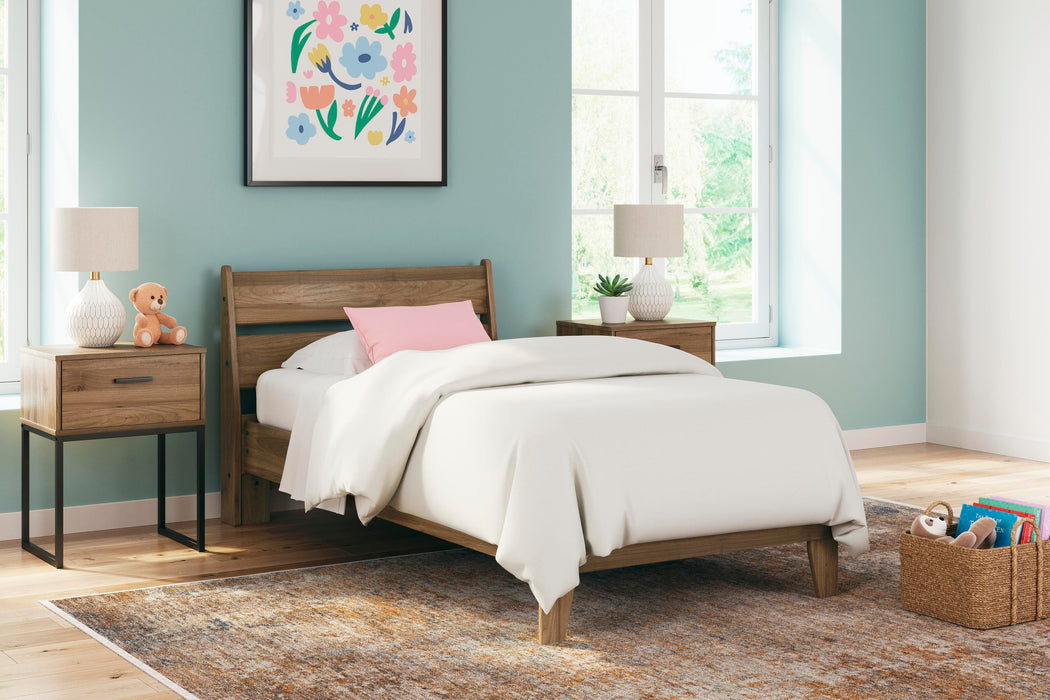
The classic symmetrical setup works beautifully in most primary bedrooms: center the bed on a main wall, flank it with matching nightstands and identical lamps. This mirror-image arrangement promotes calm and gives the room a polished, hotel-like quality. It’s enduringly popular because it simply works, is visually balanced, easy to navigate, and psychologically restful.
Corner bed placement makes sense in very small rooms, studio apartments, or kids' rooms where floor space is precious. Tucking the bed flush against two walls creates an intimate nook while freeing the room’s center for other activities. The trade-off: you lose access to one side of the bed, and symmetry becomes impossible. Keep remaining furniture pieces light and minimal to prevent the corner from feeling like a cave.
Placing the bed against a window wall can work when it’s your only option. Use full-width curtains as a backdrop behind the headboard, and choose a low bed frame that doesn’t block natural light. This approach suits rooms where the window wall is the longest wall or the opposite wall has closet doors or bathroom entries that would be blocked by a bed.
For irregular rooms, L-shaped layouts, sloped ceilings in attic spaces, or long rectangular bedrooms, consider floating the bed away from walls or placing it diagonally. A diagonal bed in an empty corner can add dynamism to an awkward space. Just ensure you maintain at least 24 inches of clearance to all doors, closets, and the bathroom entrance. An area rug anchoring the bed helps ground floating arrangements and defines the sleep zone.
Step 3: Select Nightstands That Support Symmetry and Function
Nightstands do more visual work than their modest size suggests. They frame the bed, provide essential bedside storage space, and significantly influence whether your bedroom layout feels balanced or lopsided. Choose them with as much care as you’d give the bed itself.
Height matters for both comfort and aesthetics. Your nightstand surface should sit within 2 to 3 inches of your mattress top, close enough to reach a glass of water without straining, and visually aligned to create a clean horizontal line across the bed area. Mismatched heights between nightstands and mattresses look sloppy and feel awkward in daily use.
In shared bedrooms, using a pair of similar-sized nightstands reinforces the symmetry that makes rooms feel calm. They don’t need to be identical; mixing furniture styles or wood finishes can add visual interest, but their scale and proportion should match. Two dramatically different bedside tables create visual tension rather than balance.
For smaller rooms where two full nightstands would eat up precious floor space, alternatives exist. Wall-mounted shelves or floating shelves beside the bed provide surface space without a footprint. A narrow 12-inch-deep table works where standard nightstands won’t fit. In very tight layouts, a single shared nightstand centered above or between beds in a guest room can solve the problem creatively.
Consider storage needs alongside visual balance. A nightstand with one drawer plus an open shelf handles basics, books, phone, and lamp, while keeping surfaces uncluttered. Multi-drawer chests work as nightstands in rooms lacking dresser space but add visual weight; pair them with a substantial bed frame so they don’t overpower the sleeping area.
Heavier, more substantial nightstands demand a visually weighty bed to stay balanced. A delicate iron bed frame with massive wooden nightstands looks mismatched. Conversely, a grand upholstered bed paired with tiny floating shelves feels incomplete. Match the visual mass of your bedside tables to your bed’s presence.
Lighting and Decor Around the Bed
Bedside lighting and wall decor complete the visual frame around your bed and reinforce (or undermine) the sense of balance you’ve built with furniture. These finishing touches deserve intentional placement.
Matching lamps or coordinated wall-mounted sconces on either side of the bed reinforce symmetry and free up nightstand surfaces for other items. Sconces provide focused light for reading while eliminating the clutter of lamp bases, particularly valuable in small space situations. Choose fixtures that provide focused light without glare; warm glow bulbs around 2700K create the restful atmosphere that supports restful sleep.
Above the headboard, artwork or mirrors can stabilize the wall visually. One large piece centered over the bed works reliably. Alternatively, a balanced arrangement of two smaller matching pieces maintains symmetry. Avoid clustering multiple mismatched frames in a way that creates visual chaos directly above where you sleep.
Task lighting for reading deserves separate consideration. Adjustable wall-mounted reading lights or lamps with directional heads provide task lighting without flooding the entire room. If one partner reads while the other sleeps, individual controls become essential rather than optional.
Step 4: Choose Dressers, Chests, and Wardrobes to Fit the Wall Space
Storage furniture adds significant visual weight to your bedroom. A dresser or wardrobe that’s wrong for your wall space throws off the entire room’s balance, either overwhelming small rooms or looking lost against expansive walls in larger bedrooms.
Understanding the difference between storage types helps you choose wisely. Long, low dressers (typically 60-72 inches wide, 30-36 inches tall) suit wide walls, spaces under windows, or placement across from the bed where they create a balanced visual counterweight. Tall chests (often 36-42 inches wide, 50-60 inches tall) work on narrow walls, in corners, or in rooms where floor space is limited but vertical space is available. The choice depends on your room’s dimensions as much as your storage needs.
Clearance in front of storage pieces is non-negotiable. Allow at least 30 inches, preferably more, in front of any dresser, chest, or wardrobe. This gives enough space for drawers to extend fully and doors to open completely. Insufficient clearance means you’ll be constantly shuffling sideways to access your clothes, and the room will feel cramped regardless of actual square footage.
Strategic placement reduces visual clutter. The ideal spot for your largest storage piece is typically the wall opposite the bed or any wall without doors or windows competing for attention. This placement gives the dresser presence without blocking pathways or light. Avoid placing tall wardrobes directly beside windows, which creates an unbalanced look and blocks natural light on that side of the room.
In rooms under 150 square feet, prioritize one well-proportioned dresser over multiple undersized pieces. Three small dressers scattered around a room create a busy, fragmented look that undermines balance. One appropriately scaled dresser, even if it means using under-bed storage or closet organizers for overflow, keeps the visual field clean and the room feels spacious.
Example: An 11’ x 11’ bedroom with an 8-foot ceiling might struggle with a standard 72-inch low dresser but work beautifully with a 42-inch-wide tall chest that utilizes vertical space without dominating the limited floor space.
Smart Storage Choices for Small and Large Bedrooms
Storage strategies differ dramatically between compact bedrooms and spacious primary suites. What solves problems in one creates them in the other.
In smaller bedrooms and studios, floor space is precious. Storage beds with drawers underneath provide significant capacity without requiring any additional footprint. A storage ottoman at the foot of the bed doubles as seating and hides clutter storage. Wall-mounted shelves and floating shelves keep everyday items accessible without floor-based furniture. The principle: utilize vertical space and hidden storage to keep the visible floor area as open as possible.
Larger bedrooms present the opposite challenge: too much empty wall space can make the room feel sparse and disconnected. Here, combining a low dresser with a tall chest on different walls creates visual rhythm. An armoire or wardrobe anchors a large wall that might otherwise feel bare. The goal shifts from maximizing space to filling it purposefully without overcrowding.
Mirrored wardrobes or dresser fronts can visually expand a smaller room by reflecting light and creating depth. Use this trick sparingly; too many mirrors make spaces feel disorienting rather than spacious. One mirrored piece, ideally positioned to reflect a window or natural light sources, typically works better than multiple mirrored surfaces.
Step 5: Add Seating and Work Areas Without Throwing Off Balance
Beyond sleeping and storage, many bedrooms need to accommodate reading, working, or simply having a quiet place to sit. These additional functions require additional furniture pieces, but adding seating or a desk must not crowd the sleeping area or disrupt the room’s flow.
A bench or upholstered ottoman at the foot of the bed suits medium to large rooms and provides both seating and a place to set out tomorrow’s clothes. Position it with at least 24 to 30 inches of clearance between the bench and the nearest wall or furniture piece. An ottoman with interior storage can replace a blanket chest and enhance functionality without adding clutter.
Creating a reading nook requires a comfortable chair, task lighting, and ideally a small side table. Position this grouping near a window to take advantage of natural light during daytime reading, or in an otherwise empty corner that might feel dead without purpose. Angle the reading chair slightly toward the bed or a pleasant view rather than facing a blank wall. This creates a cozy, intentional feel rather than furniture that looks randomly placed.
A compact desk can serve multiple purposes. In small rooms, it might double as a nightstand beside the bed. In larger rooms, a desk positioned under a window on the wall opposite the bed creates a distinct work zone without competing with the sleeping area. For guest room setups, a small writing desk provides functionality without dominating the space.
Area rugs help define zones in larger bedrooms where multiple functions coexist. One rug anchors the bed, extending 18-24 inches beyond each side. Another, smaller rug defines a seating area with the reading chair and side table. This visual separation lets each zone breathe while maintaining overall cohesion through coordinated rug colors or patterns.
Alternative seating options exist beyond traditional armchairs. A window bench built into a bay window provides seating plus potential storage space beneath. A low dresser topped with cushions can double as seating in a pinch. The key is matching seating scale to room size; oversized club chairs overwhelm small bedrooms, while dainty stools look lost in spacious primary suites.
Keeping Traffic Flow Smooth Around Added Furniture
Every piece you add to the bedroom creates potential obstacles. Balanced layouts depend on maintaining unobstructed paths even as functions multiply. The room should feel like a private retreat, not a furniture maze.
Preserve clear pathways from the bedroom door to the bed, closet doors, bathroom, and windows. These primary circulation routes need 30 to 36 inches of clearance minimum. Secondary routes, moving from one side of the bed to the other, accessing a dresser, can narrow to 24 inches but shouldn’t go below that threshold.
Avoid placing seating or desks where they block dresser drawers or force awkward navigation around sharp corners. A beautiful reading chair loses its appeal if reaching it requires squeezing past a bed frame corner daily. Similarly, a desk positioned where its chair blocks the closet doors will generate daily frustration that no amount of aesthetic pleasure can offset.
Before purchasing additional furniture, test the layout physically. Use painter’s tape on the floor to mark the footprint of planned pieces. Live with the tape outlines for a few days, walking your normal routes through the room. You’ll quickly discover whether a proposed comfortable chair fits comfortably or creates a traffic bottleneck. This simple trick prevents expensive mistakes.
Step 6: Balance Style, Color, and Visual Weight
Beyond physical dimensions, balance is visual. Furniture color, finish, and design lines must feel cohesive across the room. A bedroom where all the heavy, dark pieces cluster on one side while light, airy furniture sits opposite feels unbalanced regardless of measurements.
Coordinating finishes doesn’t mean matching everything perfectly; bedroom sets where every piece comes from the same collection can look sterile and catalog-like. Instead, coordinate wood tones (warm woods with warm woods, cool grays with cool grays), metal finishes (all brass, all black iron, or intentional mix), and upholstery colors within the same temperature family. A walnut bed frame pairs naturally with a slightly different oak dresser if both read as warm-toned rather than mixing warm walnut with cool gray-washed pieces.
Distribute visual weight consciously throughout the room. If your bed has a massive dark wood headboard, balance it with a substantial dresser or wardrobe on another wall rather than placing all visual mass on the bed wall while other walls hold only delicate accessories. Imagine the room on a scale; you want rough equilibrium, not a tipping sensation.
Limit statement pieces to one or two per room. A bold upholstered headboard in a rich color commands attention. A vintage dresser with unique character draws the eye. Either works beautifully as a focal point, but both together, plus distinctive nightstands and a dramatic mirror, create visual competition rather than harmony. Choose your stars and let supporting furniture pieces play quieter roles.
Textiles, rugs, curtains, and bedding link zones together and soften hard furniture lines. An area rug that incorporates colors from both the bedding and the drapes ties the room’s palette together. Curtains in a complementary shade to the headboard upholstery create visual continuity. In contemporary layouts with minimal furniture, textiles become even more important for adding warmth and personal style without cluttering surfaces.
Common Balance Mistakes to Avoid
Even with careful planning, certain missteps repeatedly undermine bedroom balance. Recognizing these pitfalls helps you avoid them.
Oversized bed for the room: Choosing a king bed in a room that can’t spare 30 to 36 inches on all accessible sides creates chronic circulation problems. You’ll bump corners, struggle making the bed, and never shake the cramped feeling. If walkways feel tight with tape outlines on the floor, downsize to a queen bed; the improved room’s layout and daily comfort outweigh any status associated with a larger bed.
Too many small pieces: Multiple undersized nightstands, small dressers scattered on every wall, and tiny accent tables create visual chaos. The eye jumps from piece to piece without resting anywhere. Consolidate into fewer, properly scaled furniture pieces. One substantial dresser beats three small ones every time.
Blocking natural light: Placing tall wardrobes or armoires directly beside windows makes that side of the room feel heavy and dim. The asymmetry between the bright, open window side and the furniture-crowded side throws off the room's feel entirely. Position tall storage on walls perpendicular to or opposite from primary windows.
Pushing everything against walls: In larger rooms, lining all furniture against perimeter walls leaves a vast empty center that feels awkward rather than spacious. Use the room’s dimensions, pull seating groups into the space, let area rugs define zones, and create a reading nook that ventures away from walls. The goal in a larger room is purposeful distribution, not clinging to edges.
Ignoring personal style: Following every design rule perfectly but ignoring what actually appeals to you creates a room that looks balanced but feels impersonal. Balance matters, but so does expressing yourself. If you love a piece that breaks conventional rules, find ways to make it work, adjust surrounding pieces to compensate rather than abandoning items that bring you joy.

Bringing Your Balanced Bedroom Layout to Life
Creating a balanced bedroom layout follows a logical sequence: measure your bedroom space accurately, plan furniture placement on paper before purchasing, select a bed appropriate to your room size as the visual anchor, add scaled storage solutions that fit your wall space, then layer in seating and accents without crowding pathways. Each step builds on the previous one, and skipping steps leads to the frustrating experience of furniture that technically fits but doesn’t function well together.
Test before you buy. Use tape on the floor, cardboard cutouts, or digital room planners to simulate layouts. Walk through the taped pathways for several days before committing to major purchases. This simple investment of time prevents the expensive and demoralizing experience of wrestling furniture through doorways only to discover it blocks a closet or makes the room feel smaller than it should.
A practical action plan might look like this: spend one evening measuring and sketching your floor plan. Over the following weekend, research furniture options that match your room’s dimensions and your personal style requirements. Prioritize the bed first, then storage, then everything else. Order in stages if budget requires; a well-chosen bed frame and good mattress matter more initially than perfect nightstands.
Fine-tuning is normal and expected. Swapping a tall chest for a low dresser, changing nightstands from wood to wall-mounted, or repositioning a reading chair can dramatically improve balance. Your bedroom isn’t a museum exhibit frozen in place; it’s a living space that can evolve as you discover what works and what doesn’t.
Think of arranging bedroom furniture as an ongoing relationship rather than a one-time project. As your needs change, your layout can adapt. What starts as a combined home office and guest room might eventually become a primary bedroom focused purely on rest. The principles of balance, proper clearances, scaled furniture, and visual equilibrium remain constant even as specific pieces come and go. Start measuring tonight, and you’ll be well on your way to a bedroom that functions as beautifully as it looks.
Get Your Bedroom Furniture at Discount Mattress & Furniture Today
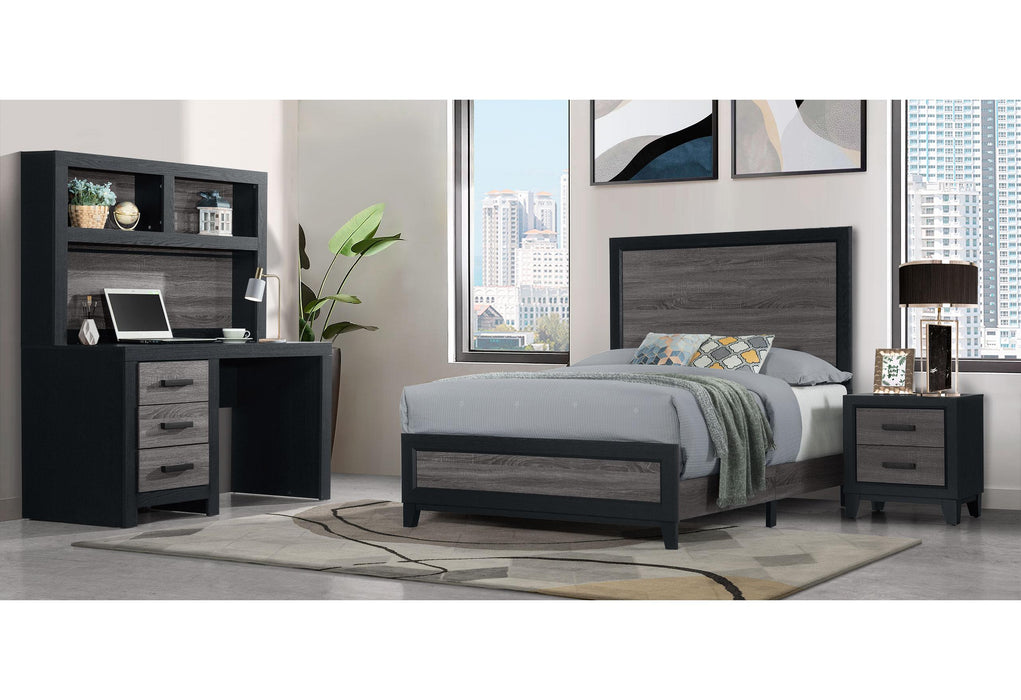
Your bedroom should be comfortable, organized, and designed for relaxation. At Discount Mattress & Furniture, our bedroom furniture collection includes beds, dressers, nightstands, and storage pieces made to fit your space and lifestyle. Each piece is selected for durability, comfort, and long-lasting value to help you create a bedroom that feels both functional and inviting.
Explore our bedroom furniture selection today and find the right pieces for your home. Whether you’re updating one item or furnishing the entire room, Discount Mattress & Furniture offers options that combine style, practicality, and everyday comfort.