
How to Select Bedroom Furniture That Matches Your Needs
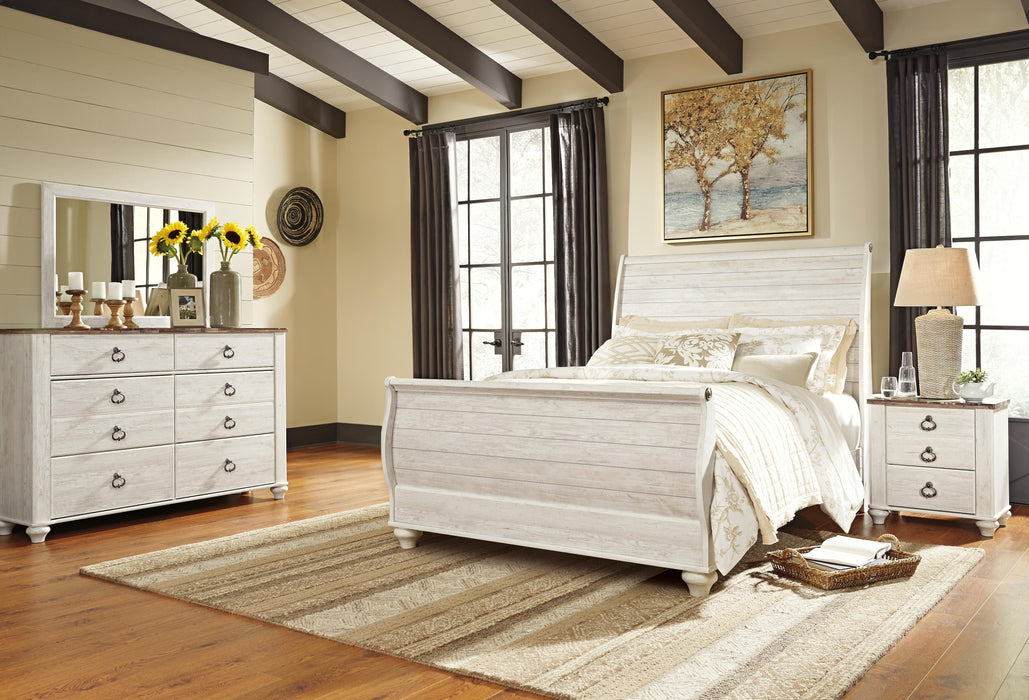
Choosing bedroom furniture is a decision most people face only two or three times in their lives, usually during major transitions like moving into a first apartment, upgrading to a larger home, or starting a family. Because these purchases happen so infrequently, many buyers jump straight into shopping without the groundwork that prevents costly mistakes. The result is often furniture that looks great in the showroom but feels cramped, impractical, or disconnected once it arrives in your actual bedroom space.
You don’t need to be an interior designer to create a cohesive and stylish bedroom. In fact, the trend has shifted away from traditional matching furniture sets toward more personalized combinations, allowing you to mix and match pieces for a unique look.
This guide walks you through selecting the right bedroom furniture based on your real-life needs: your room’s layout, sleeping habits, storage requirements, and budget. Rather than chasing trends, you will learn to build a dream bedroom around practical decisions. The main categories covered include beds, nightstands, dressers and wardrobes, seating, and accent pieces. Whether you are working with a compact 10-by-12-foot guest room in a city apartment or a spacious 14-by-16-foot primary bedroom in the suburbs, this approach applies to typical homes and apartments through 2026.
Introduction to Bedroom Furniture
When it comes to creating a serene and inviting bedroom, choosing the right bedroom furniture is essential. Your bedroom should be a personal retreat, a place where you can relax, recharge, and express your unique style. With so many furniture options available, from sleek storage beds to elegant accent pieces, it’s important to select items that not only look great but also serve your everyday needs. The right bedroom furniture balances comfort, functionality, and personal style, helping you build a dream bedroom that feels both beautiful and practical. In this guide, we’ll walk you through the key elements to consider, including how to choose the best bed frame, maximize storage, and incorporate accent pieces that reflect your taste. Whether you’re furnishing a new space or updating your current room, thoughtful choices will ensure your bedroom is both stylish and functional.
Step 1: Measure Your Bedroom and Plan the Layout
Before browsing furniture options online or walking into a showroom, grab a tape measure. Measuring your bedroom is the single most important step in choosing furniture that actually works. Document the length, width, and ceiling height of your room, along with the positions of windows, doors, and closets. Note which way doors swing; they can eat into 24 to 36 inches of usable floor space.
Recommended clearances keep your room feeling open and functional. Plan for 30 to 36 inches of walking space along main pathways, at least 24 inches on each accessible side of the bed for getting in and out comfortably, and 30 inches in front of dressers so drawers can extend fully. A practical process involves sketching your floor plan on graph paper using a quarter-inch-per-foot scale, then laying painter’s tape on the actual floor to visualize how much space a queen bed or king will consume before you commit.
Consider the difference between a small bedroom around 10 feet by 12 feet and a larger primary bedroom at 14 feet by 16 feet. In the smaller rooms, a queen bed at 60 inches wide by 80 inches long paired with 20-inch nightstands leaves approximately 24-inch side paths and 30 inches at the foot of the bed. A king bed at 76 by 80 inches fits the larger suite with 36-inch walkways, but would cramp the smaller space to under 18 inches per side, making the whole room feel cluttered. Understanding how much space you have determines which furniture pieces are realistic options.
Making the Most of Small Spaces
If your bedroom is on the smaller side, maximizing space becomes a top priority. The right furniture can make even the coziest room feel open and organized. Start by choosing multi-functional furniture pieces, such as storage beds with built-in drawers or bedside tables that offer extra compartments. These smart solutions provide valuable storage for clothing, linens, and personal items, helping you keep clutter at bay. Opting for light wood tones, like oak or pine, can also make the room feel brighter and more spacious. When every square foot counts, select furniture that serves more than one purpose and fits the scale of your room. With the right furniture and a few clever design tricks, you can transform a small bedroom into a comfortable, inviting retreat that feels much larger than it is.
Step 2: Choose the Right Bed Frame and Mattress First
The bed is the anchor of your entire room. It occupies 30 to 50 percent of the floor space and typically represents 50 to 70 percent of your total furniture investment. Start here, then build everything else around it.
Standard bed sizes include twin (38 by 75 inches) for children or tight guest rooms under 10 by 10 feet, full (54 by 75 inches) for solo adults conserving space, queen (60 by 80 inches) ideal for most couples in rooms around 12 by 12 feet, king (76 by 80 inches) for spacious primaries over 13 by 13 feet, and California king (72 by 84 inches) for taller individuals in elongated rooms.
Bed frame types vary significantly in function. Platform beds with slat spacing under three inches eliminate the need for a box spring and work well under low 8-foot ceilings at 12 to 18 inches total height. Storage beds with built-in drawers add 20 to 30 cubic feet of practical storage, perfect for one-bedroom apartments with limited closet space. An upholstered bed frame with a cushioned headboard enhances comfort for reading in bed and can reduce neck strain by about 25 percent. Low-profile metal or solid wood frames maximize vertical space in attics with sloped ceilings.
For example, someone in a 250-square-foot studio with minimal closet space might choose a storage bed with drawers underneath and a low headboard compatible with blackout curtains. Meanwhile, a family in a suburban primary bedroom might prefer a king upholstered bed frame with a 600-pound weight capacity for shared use with children or pets.

Match Bed Size and Style to Your Lifestyle
Your sleeping habits directly impact the ideal bed size. Solo sleepers often find a queen bed more practical than a king, freeing up 20 percent more floor space for other furniture pieces. Couples with children or pets who join overnight typically need a king. Research shows that 68 percent of pet-owning households prefer larger beds for co-sleeping without disturbance.
Materials should align with durability needs. Easy-clean performance fabrics resist stains about 50 percent better than leather, making them practical for families. Solid wood, like oak or maple, can last 20-plus years with proper care, while veneers tend to peel after 5 to 10 years. Metal frames offer lightweight movability of around 50 to 100 pounds, ideal for renters expecting to relocate.
Ceiling height affects headboard choices. Tall 48-inch headboards suit rooms with 9-foot or higher ceilings, while low 24-inch profiles preserve openness in spaces with 8-foot ceilings. A shift worker needing restful sleep might prioritize a quiet, soft upholstered headboard against an exterior wall for noise dampening and insulation. Someone living in a loft might choose a bed with concealed hydraulic storage holding 12 cubic feet of off-season gear underneath.
Step 3: Select Functional Nightstands for Everyday Use
Nightstands should match how you actually use your bedside area. Think about what lands there every night: books, a water glass, your phone needing a charger, medications, or reading glasses. Approximately 85 percent of adults charge their phones overnight at their bedside tables, making built-in USB ports or cable management grommets genuinely useful features.
The ideal nightstand height places the top roughly level with or one to two inches above your mattress, typically 26 to 28 inches total. This allows comfortable arm reach without straining. Types range from open-shelf minimalist designs at 16 by 20 inches for visual airiness in small space bedrooms, to one-to-three drawer units offering 4 to 8 cubic feet of extra storage, to narrow 12-to-16-inch widths fitting tight 10-foot rooms.
You do not need matching nightstands on each side of the bed. Using two different pieces works if you keep them cohesive through shared height, similar wood finishes, or unified hardware finish, like matching nightstands with identical brass pulls. For bedrooms doubling as home offices, pull-out trays on bedside tables create a temporary workspace without permanent clutter.
How to Coordinate Nightstands with Your Bed
Proportions matter when pairing nightstands with your bed. Larger, heavier beds like upholstered kings need sturdier 30-inch wood nightstands to anchor the visual weight. Simple metal or low-profile platform beds work with lighter, slim designs without overwhelming the space.
Tie pieces together through one repeated element: same wood tone, similar leg shape, or shared hardware color. For instance, pair a dark wood bed with lighter wood nightstands that share the same warm undertone and black knobs. This creates roughly 80 percent perceived unity while maintaining visual interest across different wood tones.
Step 4: Choose Dressers, Chests, and Wardrobes for Storage
Before shopping for storage furniture, inventory what you actually need to store. The average adult owns 50 to 100 clothing items requiring 20 to 40 cubic feet of space. Understanding your storage needs prevents buying pieces that are too small to be useful or too large for your bedroom space.
Dressers are low and wide, typically 30 to 40 inches high and 48 to 72 inches across, ideal for folded stacks of clothing. A tall chest of drawers runs 48 to 60 inches high and 30 to 36 inches wide, maximizing storage in smaller rooms with limited floor space. Freestanding wardrobes at 60 to 72 inches wide and 72 inches high include hanging rods for 40 to 60 garments, essential for rooms lacking closet space.
Placement affects daily function. Position a wood dresser opposite the bed with 30 inches of clearance for full drawer extension. Place chests beside doors rather than blocking windows, and avoid positioning any storage under windows with sills lower than 36 inches. For very small bedrooms, a tall chest saves roughly 25 percent more floor space than a wide dresser while providing similar volume, keeping your bedroom organized without sacrificing style.
Look for quality interior details: 4-to-6-inch deep drawers for bulkier sweaters, felt or velvet linings protecting delicates, and soft-close hardware that silences about 90 percent of slam noise for light sleepers seeking a good night’s sleep.
Matching Storage Pieces to the Rest of Your Furniture
Storage pieces do not need to match your bed exactly. In fact, you don't have to match bedroom furniture piece for piece; mixing different types of storage pieces can help create a more personalized and cohesive look. The goal is furniture that feels related through color, undertone, or style details rather than a complete bedroom set approach. You can combine a modern upholstered bed with a more traditional painted furniture dresser by unifying them through similar warm woods in hardware or shared metal accents.
Avoid clustering multiple large dark pieces in one corner, which makes the room feel heavy and can visually shrink the space by 15 to 20 percent. Instead, balance mass across the room. A practical combination might feature a light oak dresser with an upholstered bed and black metal lamps, creating contrast while maintaining cohesion through repeated metal tones.
Step 5: Add Seating, Benches, and Multi-Functional Pieces
Not every bedroom needs extra seating, but where space allows, it can transform your personal retreat. Popular furniture options include an upholstered bench at the foot of the bed for sitting while dressing, a storage ottoman with a lift-top for linens, a compact accent chair in a corner for reading, or a small desk doubling as a vanity.
Choose a bench length slightly shorter than your bed width, typically 50 to 58 inches for queen or king beds. Ensure at least 24 to 30 inches of walking space remains at the end of the bed. For maximizing space in small apartments, multi-functional pieces deliver the most value. A storage bench in a 500-square-foot apartment can hold off-season clothes, serve as a spot to put on shoes, and provide visual interest without dedicated seating or floor space.
When to Skip Extra Pieces
In very small bedrooms, adding an area rug or accent chair might seem appealing, but it often crowds the room. Apply simple tests: if you cannot open the closet fully, need to turn sideways to pass the bed, or have less than 24 inches of walking space, remove nonessential furniture pieces.
Prioritize the bed, nightstands, and necessary storage before adding any decorative seating. A spacious feel trumps additional accent pieces in smaller rooms; you can always introduce visual interest through wall art, bedding, or lighting without sacrificing style.
Working with Furniture Sets
Furniture sets can offer a quick and easy way to achieve a matching bedroom, but you don’t have to stick to a single style to create a cohesive look. Mixing and matching different furniture pieces, such as pairing a modern bed frame with a rustic wood dresser or adding a vintage-inspired nightstand, can add visual interest and depth to your space. This approach allows you to express your personal style while still maintaining harmony in your bedroom design. When working with furniture sets, think about the overall mood you want to create, whether it’s classic, contemporary, or eclectic. By thoughtfully combining different textures, finishes, and shapes, you can achieve a balanced look that feels curated rather than cookie-cutter, making your bedroom truly one of a kind.
Step 6: Define Your Style, Materials, and Color Palette
Even practical bedrooms benefit from a defined style direction. Browse saved images and identify patterns in what draws you, repeated shapes, furniture colors, and materials like light wood, black metal, or soft neutral tones. This prevents the scattered look of buying individual pieces without a unifying vision. While matching furniture sets were once the norm, there is now a noticeable decline in matching furniture in favor of mixing and matching different pieces. This trend allows you to create a more personalized and eclectic space that reflects your individual style and adds visual interest.
Main furniture materials include solid wood offering 20 to 30 years of durability, veneers providing affordability but chip-prone over time, engineered wood lasting 10 to 15 years at 30 to 50 percent lower cost, metal frames offering lightweight rust-resistance, and upholstered pieces adding warmth but requiring more maintenance.
Wood tones carry undertones, warm reds in cherry, cool grays in ash, neutral tans in oak. Keep undertones consistent across your bed, nightstands, and dresser to avoid clashing. Choose a simple main color palette like white walls, beige textiles, and warm oak furniture, then introduce one or two accent colors through bedding and decor. For a balanced color scheme, use the 60-30-10 rule: 60% for the dominant color, 30% for the secondary color, and 10% for accent shades. A strong color palette is essential for mixing furniture and can help bridge styles that might not naturally go together. Mixing furniture styles can create a dynamic and interesting space that feels uniquely yours. This approach achieves timeless appeal while expressing personal style.
Mixing, Not Matching, for a Cohesive Look
Matching bedroom set purchases, the complete bedroom sets of identical furniture, feel dated. The trend has shifted away from traditional matching furniture sets toward more personalized and eclectic interiors. Seven interior designers surveyed advocate for mixing bedroom furniture while maintaining roughly 80 percent cohesion through repeated elements.
Pick one dominant wood tone across major furniture pieces. Repeat at least one element, such as brass hardware, tapered legs, or similar height profiles. Vary textures and heights for interest: an upholstered bed paired with warm wood nightstands and a painted dresser sharing the same brass pulls creates a collected, personal look.
Introduce personality through rugs, curtains, bedding, and wall art rather than buying more large pieces than your space needs. Different wood tones work together when they share undertones. Mixing woods successfully means combining pieces that feel intentional rather than random. The key to bedroom design is balancing cohesion with enough variety to avoid rustic styles or a modern design feeling sterile.
Adding Personality to the Room
Your bedroom should be a reflection of your personality and style, and the right furniture and decor can help you achieve just that. Accent pieces like throw pillows, blankets, and wall art are easy ways to infuse color and character into your space. Consider making a statement with an upholstered bed or an eye-catching area rug to serve as the focal point of the room. Unique furniture pieces, such as a four-poster bed or a wood dresser with intricate details, can also add charm and individuality. Don’t be afraid to mix materials and finishes; an upholstered bed frame paired with bold wall art or a distinctive accent chair can bring your vision to life. By layering in these personal touches, you’ll create a bedroom that feels inviting, comfortable, and uniquely yours, ensuring your space is a true haven for rest and relaxation.
Step 7: Check Quality, Budget, and Long-Term Value
Bedroom furniture gets daily use for 7 to 9 hours of sleep plus dressing routines, making solid construction essential. Check quality through simple tests: frames should feel sturdy without wobbling, drawers should slide smoothly without catching, joints should be dovetailed rather than stapled, and finishes should be smooth without rough spots or strong chemical odors indicating low-VOC standards.
Budget allocation for perfect bedroom furniture typically dedicates 40 to 50 percent to the bed and mattress (the piece of furniture you use most), 20 percent to nightstands, and 30 percent to storage pieces. Entry-level furnishing for a complete bedroom runs approximately $3,000 to $5,000 and lasts 7 to 10 years. Mid-range options at $6,000 to $10,000 offer solid wood and quality hardware lasting 15 years. Higher-end investments above $12,000 provide timeless shapes and neutral finishes, adapting to decor changes over the next decade.
Avoid trendy shapes or bold finishes that may feel dated within five years. Four-poster beds or rustic styles may suit your taste now, but consider whether your new furniture will still work if you repaint the walls or change the bedding. Choosing furniture with enough space for lifestyle changes, like adjustable storage or neutral tones, protects your investment.
Think of quality bedroom furniture as a daily investment. A $1,500 bed used for 10 years costs roughly $0.40 per day, far less than replacing a cheaper alternative twice in the same period.
Bringing Your Bedroom Furniture All Together
Selecting the right bedroom furniture follows a logical sequence: measure your room first, choose your bed as the focal point, plan storage based on actual needs, then layer in nightstands, seating, and decor based on your lifestyle. The right furniture is not necessarily the most expensive or trendy; it is the set that fits your space, supports restful sleep, and serves your daily routines.
Before shopping, take your measurements, snap photos of your current room’s layout, and list your must-have features. Whether you are furnishing a compact guest room or a spacious primary bedroom, this preparation prevents returns and buyer’s remorse. All the furniture in your bedroom should work together as a personal retreat, not just a collection of individual purchases. With clear priorities and practical planning, you can build a functional sanctuary that serves you for years to come.
Shop Bedroom Furniture at Discount Mattress & Furniture Today

Refresh your personal sanctuary with bedroom furniture at Discount Mattress & Furniture today and create a space that’s comfortable, stylish, and perfectly suited for rest and relaxation. From sturdy bed frames and cozy dressers to functional nightstands and storage pieces, the right bedroom furniture helps make your room both beautiful and practical. Discount Mattress & Furniture offers a variety of options to fit your style and budget.
Now is the perfect time to upgrade your bedroom. Shop bedroom furniture at Discount Mattress & Furniture now and build a cozy, organized space where you can unwind, recharge, and enjoy every day.