
What Living Room Furniture Works for Frequent Sitting
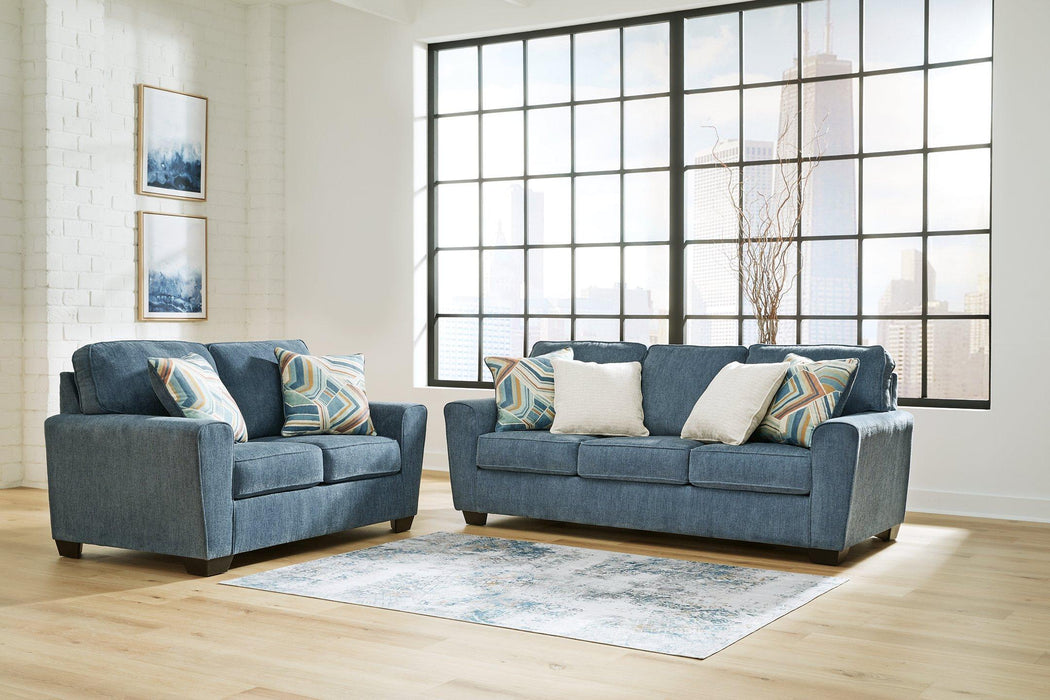
If you spend several hours each day in your living room, working from a laptop, reading, watching TV, or simply relaxing, the furniture you choose matters more than aesthetics alone. The right pieces support your posture, resist wear, and make daily life more comfortable. The right seating arrangement can make a room feel practical and polished, while the wrong arrangement can make a space feel either cluttered or strangely vacant. This guide breaks down exactly what living room furniture works best when sitting is your primary activity.
When selecting living room furniture for frequent sitting, it's essential to consider your room's square footage. This helps ensure that your furniture fits well, maximizes comfort, and avoids overcrowding or underutilizing the space.
Quick Answer: Best Living Room Pieces for All-Day Sitting
When you’re spending multiple hours daily in your living space, prioritize a deep, supportive sofa, at least two upright chairs, and a stable ottoman or chaise. The goal is to create comfortable seating that supports different postures throughout the day without causing fatigue or strain.
Must-have pieces for frequent sitting:
-
A 3-seat sofa (84”–90” long) with medium-firm cushions and a seat depth of 21”–24”
-
Two supportive armchairs with firm seats and back support reaching shoulder height
-
One ottoman or chaise for leg extension during longer sessions
-
One adjustable task chair in a corner for focused reading or laptop work
-
A properly sized coffee table placed 16”–18” from seating
-
Love seats as an alternative for small spaces, offering flexible seating and a cozy feel
Deep-seated sofas feature extra-wide, plush cushions to enhance relaxation for long periods.
Frequent sitters should choose furniture with ergonomic back support, seat heights around 17”–19”, and durable, breathable upholstery. High-density foam cores wrapped in softer materials maintain shape through years of daily compression. Modular sofas allow for customizable configurations to suit changing seating needs.
Layout matters as much as the furniture itself. Aim for a sofa-plus-chairs conversation grouping within 8–9 feet so no one has to shout or twist awkwardly during extended sitting sessions.
How to Plan a Living Room for Daily Use
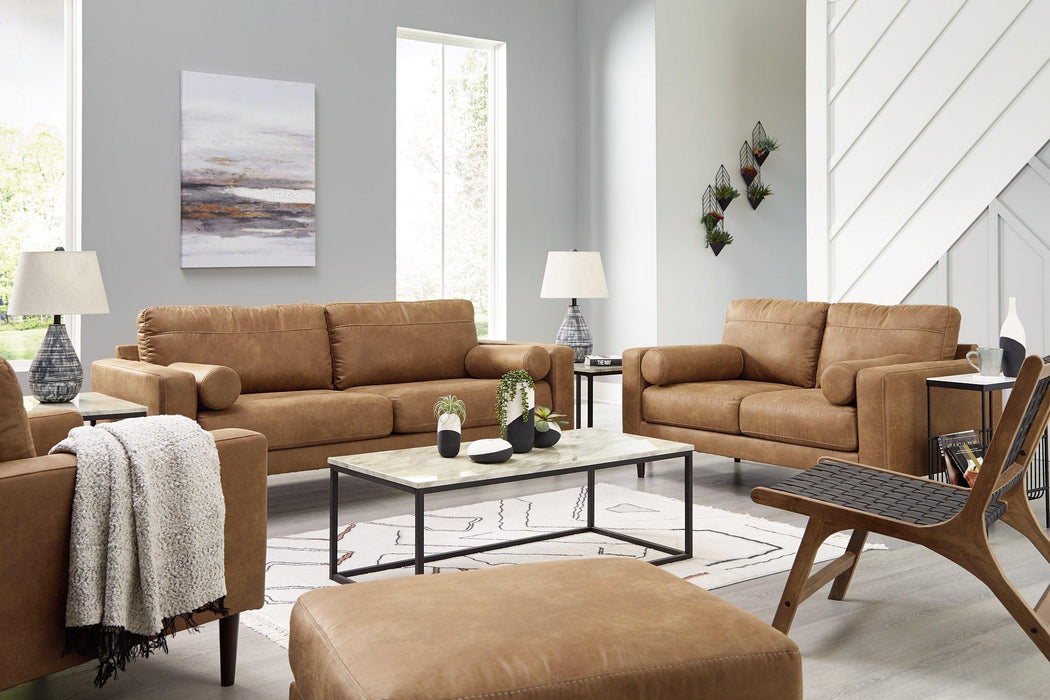
Living rooms used daily for reading, working, and TV watching need different furniture choices than spaces reserved for occasional entertaining. A room where someone spends four hours each evening requires chairs and sofas built for sustained comfort, not just visual appeal. Before purchasing any seating, define how the room will actually function on a typical day.
Start by identifying your primary activities:
-
Do you watch TV for 2–3 hours most evenings? Position your main seating for clear TV viewing without neck strain.
-
Do you work from a laptop daily? You’ll need at least one upright chair with proper support near a side table for your drink and devices.
-
Do you read in the mornings? A dedicated corner chair with a floor lamp creates a focused sitting area.
Measure your room dimensions before shopping. Common living room sizes range from 12’ x 18’ to 14’ x 20’, and knowing your exact floor space prevents buying oversized sofas or cramming in too many chairs. Sketch a simple floor plan showing doors, windows, and traffic paths. When you arrange furniture and place furniture, focus on optimizing flow and function by leaving open walkways and centering key pieces for balance.
Create zones for frequent sitters:
-
A lounging zone anchored by your sofa or sectional for TV and relaxation
-
A conversation area with two to four chairs for reading and talking
-
A focused zone with a comfortable chair, task lighting, and a side table for laptop work
-
If your living room shares space with a dining room, arrange furniture to make space for a distinct dining area, helping to define each zone and improve overall flow
When arranging your living room furniture, start with the largest piece first, usually the sofa, and orient it toward the room's most prominent feature, such as a fireplace or TV.
For rooms under about 11’ wide, pushing furniture against every wall usually makes frequent sitting less comfortable. Pulling pieces slightly toward the center allows better posture, easier conversation, and improved circulation throughout the space. Use the entire one room, not just the walls, to maximize space and comfort.
Creating a Focal Point That Draws People In
Every inviting living room starts with a strong focal point, a feature that naturally draws the eye and encourages people to gather. Whether your space is expansive or a small living room with limited space, establishing a focal point helps anchor the room and makes it feel more intentional.
A classic approach is to position a comfortable sofa or a standout armchair in a prominent spot, such as facing a fireplace, a large window, or a striking piece of art. Enhance this area with a well-chosen coffee table and a side table to create a complete, functional grouping. In a small living room, a cozy reading nook can serve as a charming focal point: place a comfy chair next to a side table and a good reading lamp, and you’ll have a space that feels both intimate and purposeful.
Don’t overlook the power of furniture arrangement in highlighting your focal point. Even in rooms with limited space, orienting your main seating toward the focal feature, be it a media center, a gallery wall, or a beautiful view, helps the room feel cohesive and welcoming. The right focal point not only elevates the look of your living room but also sets the tone for how the space is used and enjoyed.
Best Sofa Types When You Sit for Hours
The sofa handles more hours and more weight than any other piece in your living room, making it the most important purchase for frequent sitting. A quality sofa sets the tone for posture and comfort across years of daily use; the average lifespan ranges from 7 to 15 years, depending on construction and care.
The baseline for frequent sitters:
-
A classic 3-seat sofa measuring 84”–90” in length
-
Medium-firm seat cushions that resist sagging through repeated compression
-
Supportive back cushions that maintain shape without requiring constant fluffing
-
Seat depth of 21”–24” for comfortable upright sitting
Consider seat depth carefully for your body type:
-
Standard depth (21”–24”) works best for people who sit upright for extended periods
-
Deep “loungy” sofas (26”–28” seat depth) feel great for reclining and napping, but may require lumbar pillows for shorter people to sit comfortably upright
-
Extra-deep seats measuring 36” or greater accommodate various postures, but can make rising difficult for some users
-
Deep-seated sofas feature extra-wide, plush cushions to enhance relaxation for long periods
Seat height matters for frequent standing and sitting. Choose sofas with seat heights of 17”–19” from the floor. This range makes standing up easier, which becomes especially important for older adults or anyone with back or knee concerns.
Frame and construction basics for high use:
-
Kiln-dried hardwood or metal frames resist warping and structural failure under sustained loads
-
Sinuous springs or webbing provide resilient support that bounces back after each sitting session
-
High-density foam cores wrapped in fiber or down alternatives maintain shape longer than low-density alternatives
-
Eight-way hand-tied seat suspension represents premium construction, where individual springs are knotted in eight directions for superior resilience
-
Durable frames, ergonomic back support, and adjustable headrests are key features for furniture designed for long-term comfort
Upholstery recommendations for daily sitting:
-
Tightly woven fabrics resist pilling and abrasion from constant use
-
Blends that combine durability with softness outperform delicate single-fiber options
-
Removable cushion covers simplify cleaning and extend the visible lifespan
-
Stain-resistant treatments allow spills to bead on the surface rather than penetrating fibers
-
Avoid very slippery or delicate textiles if the sofa sees multiple hours of use daily
For a small living room (under 10’ x 14’): Consider a 72”–78” apartment sofa or a compact loveseat to keep circulation paths comfortable while still providing adequate seating.
When choosing sofa types, also consider options that work well in long living rooms, such as sectionals or modular sofas that help divide the space or fit the proportions of an elongated room.
Sectionals and Chaises for Lounging and TV Time
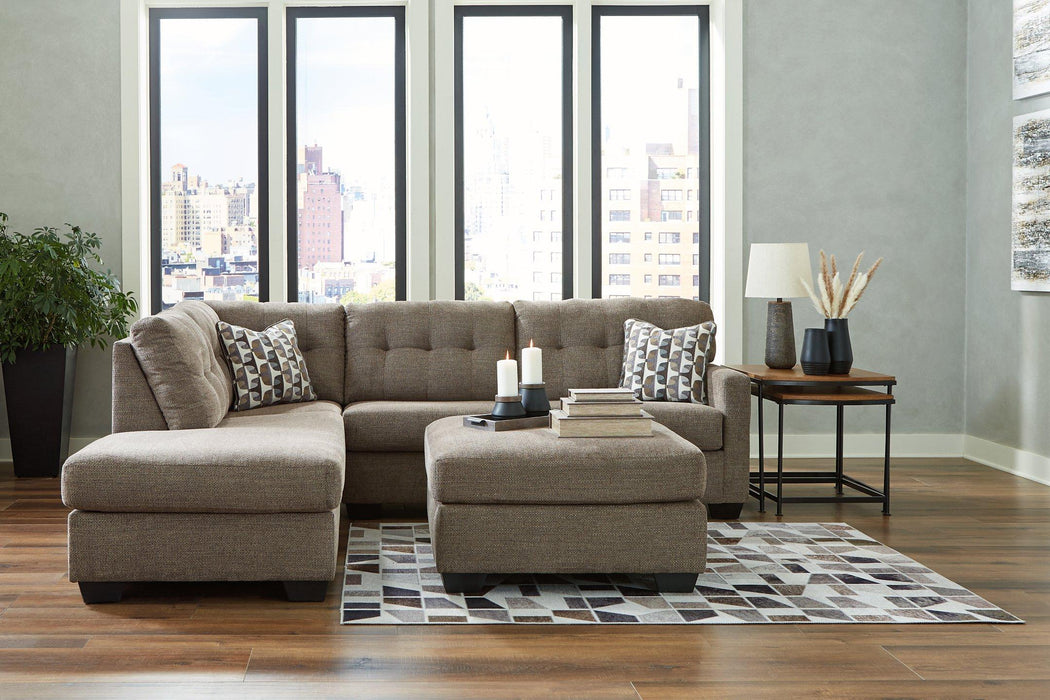
L-shaped sectionals and sofas with integrated chaise lounges work beautifully for people who stretch out while watching TV, reading, or working from a laptop for extended periods. These configurations provide enough space to shift positions throughout a long sitting session without leaving the seating area. Modular sectionals can also be customized for flexible seating arrangements, providing optimal comfort and support.
Sectional sizing for medium living rooms:
-
A typical sectional with a 9’ x 9’ footprint fits comfortably in a 14’ x 18’ room
-
Leave at least 30” of clearance behind or beside the sectional for easy flow between zones
-
Position the back of the long side parallel to a wall or main walkway
-
Point the chaise toward the TV or primary focal point in the room
When to choose a full L-shaped sectional versus a chaise sofa:
-
Full sectionals work best for large families, frequent entertaining, or open floor plan homes with enough room
-
Chaise sofas (a sofa with one attached chaise end) suit smaller rooms or couples who need flexible seating without overwhelming their floor space
Comfort consistency across all seats matters. Avoid sectionals where corner seats feel cramped or where chaise cushions differ significantly in firmness from the main sofa sections. Shape-retaining cushions with innerspring construction provide even support across extended seating configurations.
Balance your seating options. Add one structured armchair opposite the sectional so that at least one seat always offers upright support for reading, laptop work, or guests who prefer sitting straight. For larger rooms or to create a symmetrical seating area, consider arranging two sofas facing each other as an alternative. This creates a more complete living room seating arrangement for varied daily activities.
Supportive Chairs That Don’t Sacrifice Comfort
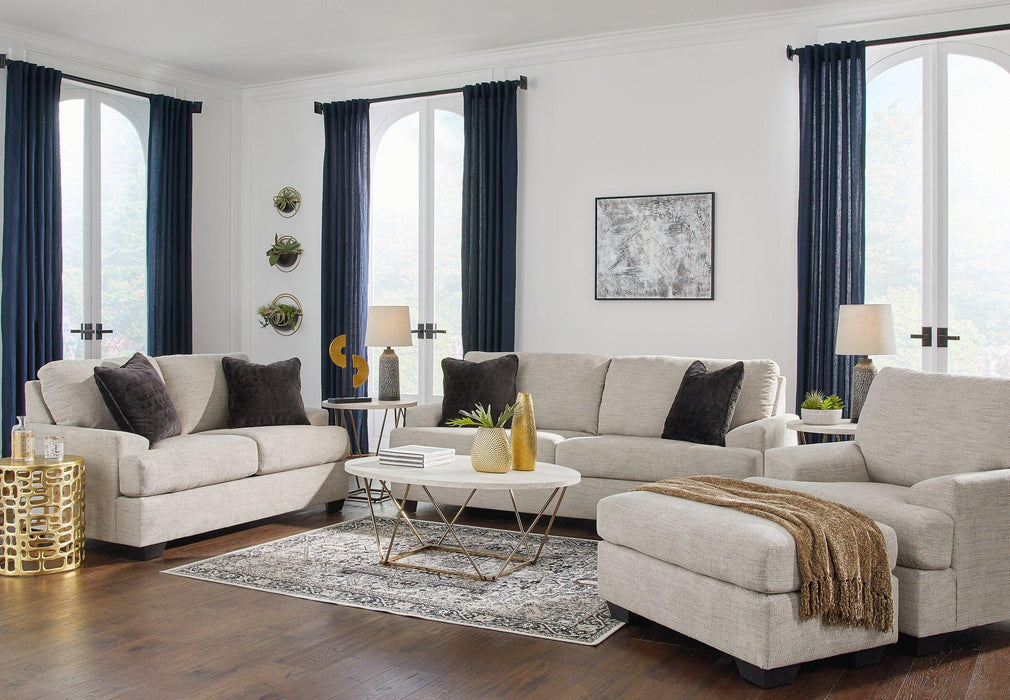
Living rooms used daily need at least two upright, supportive chairs in addition to a main sofa or sectional. These chairs serve different purposes than deep lounging seats; they support reading, conversation, and laptop work, and provide options for guests who prefer sitting more upright. The right mix of comfortable chairs makes your living room layout more functional.
Best chair types for frequent sitting:
-
Medium-scale armchairs with straight or gently reclined backs
-
Accent chairs with firm seat cushions that don’t sink under daily use
-
Swivel chairs that rotate to face different focal points (TV, conversation area, windows)
-
Club chairs with generous proportions for extended lounging with arm support
-
Love seats, which offer flexible seating for small spaces or can serve as an alternative to two armchairs, creating a cozy and functional environment
Key measurements for supportive seating:
-
Seat height similar to your sofa (17”–19”) for visual consistency and easy movement between pieces
-
Back height reaching shoulder level or higher for proper support during longer reading or conversation sessions
-
Armrests at a comfortable height for resting while reading or holding devices
When armless chairs make sense:
-
In tight spaces where narrower profiles help with furniture placement
-
Where do you need easier side-to-side movement
-
Note that arm support generally works better for long reading sessions and helps older adults stand more easily
Built-in lumbar support is essential for maintaining the spine's natural curve and preventing strain. This feature in chairs helps ensure comfort and proper posture during frequent sitting.
Create a dedicated sitting area. Use at least one high-back or wing-style chair in an empty corner for extended sitting, paired with a floor lamp and side table. This configuration supports focused reading or work away from the main lounging zone.
Pairs of matching chairs create visual balance. Two chairs facing a sofa help anchor the conversation area and distribute daily use across more pieces rather than concentrating all wear on one sofa.
Choose durable, easy-clean fabrics for chairs that will host daily morning coffee or evening TV viewing. Textured upholstery disguises wear better than smooth fabrics, and darker or mid-tone colors show less everyday soiling.
Ottomans, Benches, and Stools for Flexible Everyday Seating
Multipurpose pieces like ottomans, benches, and sturdy stools prove invaluable in a living room that sees constant use. These flexible items shift between footrest, extra seating, and table surface as needed throughout the day, making your living space more adaptable without additional seating taking up permanent floor space.
Large upholstered ottoman uses:
-
Size around 36”–40” square or 16”–18” high rectangle works as both a coffee table and a footrest
-
Add a flat tray on top to create a stable surface for drinks and remotes
-
Use as additional seating for game nights or gatherings
-
Provides comfortable leg extension during longer TV sessions without requiring a dedicated chaise
Low benches expand your options:
-
Benches 48”–60” long, placed along a wall or behind a sofa, host extra guests when needed
-
Serve as landing spots for bags, books, or laptops in daily life
-
Work as a console table alternative with added seating function
-
Position near the front door for putting on shoes in multi-use rooms
Small stools offer maximum flexibility:
-
Two small stools instead of one bulky ottoman work better in a limited space
-
Move easily for extra seating anywhere in the room
-
Nest under a console table when not in use
-
Double as side tables beside armless chairs
Spacing for everyday comfort. Leave about 18” between your ottoman and surrounding seating to extend legs comfortably without blocking traffic paths.
Coffee Tables and Side Tables That Work Hard
Frequent sitters rely on surfaces for drinks, snacks, books, remote controls, and devices throughout the day. A well-positioned coffee table and strategically placed side tables make extended sitting more comfortable by keeping essentials within easy reach. Poor table placement forces awkward twisting and stretching that compound over hours of daily use.
Coffee table sizing guidelines:
-
Length should measure approximately two-thirds the length of your sofa
-
Height roughly level with the sofa seat cushions (16”–18”)
-
Place the table 16”–18” from the front edge of your seating
-
Leave enough room for comfortable leg extension while keeping surfaces reachable
Shape considerations for busy rooms:
-
Rounded or oval tables reduce sharp corner hazards when people sit and stand repeatedly
-
Rectangular tables maximize surface area for rooms with enough space
-
Nesting tables provide flexibility, spread them out when needed, and stack when you want open space
Side table placement for frequent sitters:
-
Every 2–3 seats should have a surface within easy arm’s reach
-
Position tables so users don’t need to twist or stretch when sitting for long periods
-
Place one larger side table between two chairs in a conversation corner, sized for two drinks, a lamp, and a book stack
Choose sturdy construction. Tables that wobble or tip under heavy daily use create frustration and potential spills. Solid bases, quality joinery, and stable materials matter more in high-use environments than decorative details.
Sofas and Chairs for Small Living Rooms with Frequent Sitting
Rooms around 10’ x 12’ or smaller present a design challenge when occupants still spend many hours daily watching TV, working, or relaxing. Making space in a small living room often involves rearranging furniture and clearing clutter to improve flow and create designated zones, helping the room feel more open and organized. The solution isn’t sacrificing comfort but rather selecting appropriately scaled pieces and arranging them for maximum function within a limited space.
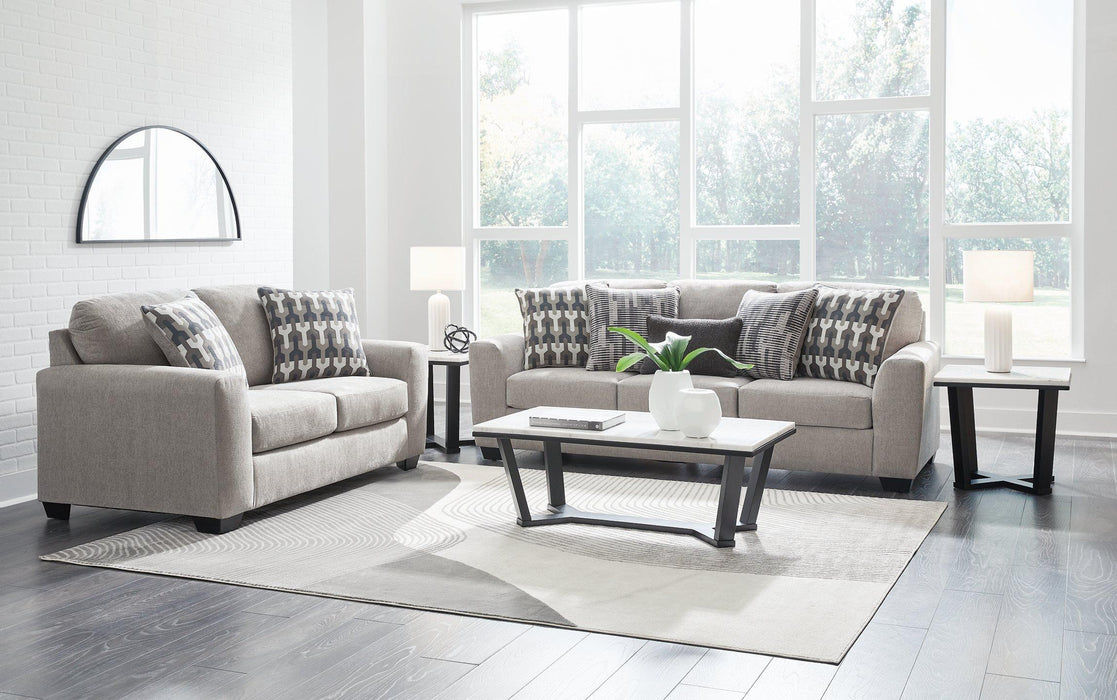
Compact seating that still supports daily use:
-
A 72”–78” apartment sofa or loveseat preserves room for circulation while providing genuine comfort
-
Pair with one firm accent chair rather than multiple small seats
-
Choose wall-hugging recliners or chairs with slim arms to gain comfort without overwhelming the floor plan
-
Light, low-profile furniture with visible legs makes the space feel more open
-
Choosing smaller, appropriately scaled furniture can create a more comfortable and inviting atmosphere, especially in a long living room
-
In smaller living rooms, armless chairs or tight-back sofas can help create the illusion of more space
When four chairs beat a sofa:
-
Very tight or square rooms sometimes function better with four comfortable chairs arranged around a central coffee table
-
This works especially well for people who mainly chat, read, or work from laptops rather than lounging in front of the TV
-
Creates better conversation groupings in awkward space configurations
Storage solutions for multi-use rooms:
-
Use nesting tables that tuck away when not needed
-
Choose a storage ottoman that hides blankets and clutter while serving as a coffee table
-
A console table behind a floating furniture arrangement provides surfaces without consuming floor space
Circulation matters more in small rooms. Even a small space needs clear paths between seating and doorways. Feeling cramped during hours of daily use leads to discomfort that good furniture alone can’t solve.
Arranging Furniture to Create a Sense of Flow
A well-arranged living room feels open, comfortable, and easy to navigate, no matter the room’s size or shape. To create a sense of flow, start by grouping your main seating, such as a sofa and two chairs, into a conversation circle or semi-circle. This living room layout encourages interaction and ensures everyone feels included, while also making the space feel balanced.
Leave enough space between furniture pieces so people can move around without bumping into corners or squeezing through tight spots. In a long living room layout, consider dividing the room into distinct zones: a seating area for relaxing and a dining space for meals or games. A console table placed behind the sofa can help define the seating area and subtly separate it from the dining space, all while providing extra surface area for lighting or decor.
Thoughtful furniture placement is key to making any room, large or small, feel harmonious. By arranging your chairs, sofa, and tables to support easy movement and conversation, you’ll create a living room that’s both functional and inviting.
Layout Ideas That Keep Frequent Sitters Comfortable
Even excellent furniture can feel uncomfortable when arranged poorly, especially when people sit for several hours most days. To optimize comfort and flow, especially in long living rooms, arrange furniture and place furniture thoughtfully, positioning pieces to create harmony, openness, and easy movement throughout the space. The right living room layout ideas position seating for easy conversation, clear TV viewing, and comfortable circulation throughout extended sitting sessions.
Basic conversational grouping:
-
Sofa facing two chairs with a coffee table centered between them
-
Seats positioned no more than 8–9 feet apart for comfortable conversation without shouting
-
Works well for families and frequent entertaining
-
Creates a natural focal point for the room
TV-focused layout:
-
Sofa or sectional positioned directly opposite the screen
-
In a long living room, the best place to put your TV is opposite your sofa.
-
Additional chairs are angled so each seat has a clear view without neck strain
-
Optimal viewing distance varies by screen size, generally 1.5 to 2.5 times the screen’s diagonal measurement
-
Side tables within reach of each major seating position
Walkway clearance for daily comfort:
-
Leave at least 30” behind the seating and between zones
-
Prevents people from being bumped when seated for longer sessions
-
Creates an easy flow for getting up to stretch, get water, or move around
-
Maintaining good traffic flow is essential when creating functional zones in a living room.
Area rug placement anchors the seating:
-
In medium rooms, place all front furniture legs on the rug
-
In a large living room, consider placing all legs on the rug for a more cohesive, cozy seating area
-
Rug should extend at least 6”–12” beyond the front of the seating
-
Use both seating and area rugs to create different zones within the space, making it more functional and visually appealing.
Floating furniture in larger rooms:
-
Pull the sofa away from the wall to create a more intimate conversation area
-
Place a console table behind the sofa for extra lighting, storage, and display
-
This arrangement makes a long living room layout feel less cavernous and more comfortable for daily use
-
Strategic furniture arranging can make particularly long or large living rooms feel cozy and intimate by dividing them into two conversation groupings with a path between them.
Using a Living Room Layout to Define Different Areas
A smart living room layout does more than just organize furniture; it helps define the different functions of your space. In an open floor plan, use furniture like a console table or a low bookshelf to visually separate the living area from the dining space, creating a sense of order without the need for walls.
For a small living room, consider using a room divider or a decorative screen to carve out a dedicated seating area. This not only makes the space feel more intimate but also helps manage floor space efficiently. When working with a large living room, you have the flexibility to create multiple conversation areas or a cozy reading nook in addition to your main seating area.
Always keep your room dimensions and available floor space in mind. In a compact room, prioritize one or two well-defined areas to avoid overcrowding. In a larger space, use your living room layout to create zones for different activities, ensuring each area feels purposeful and comfortable. The right furniture placement can transform any room into a multi-functional, welcoming environment.
Creating a Sense of Intimacy in a Room
No matter the size of your living room, creating a sense of intimacy is key to making the space feel like home. Start by layering in warm, cozy lighting, floor lamps, and table lamps can instantly make a seating area feel more inviting, especially in a large living room where overhead lighting alone can feel harsh.
Choose plush, comfortable furniture like a sectional sofa or a deep armchair to encourage relaxation. Arrange these pieces around a central coffee table to foster conversation and connection. In a large living room, consider setting up a cozy seating area near a fireplace or in a quiet corner, complete with a floor lamp and soft throws for added warmth.
Accessories like area rugs, throw pillows, and blankets add texture and help the space feel more intimate. Even in a spacious room, these touches can make a cozy living room where everyone wants to gather. By thoughtfully arranging your furniture and lighting, you can make any room, big or small, feel like a welcoming retreat.
Ergonomics and Health: Sitting Often Without Strain
Frequent living room sitting directly impacts posture, back health, and circulation. The right furniture choices reduce fatigue and prevent the aches that develop from hours of poor positioning. Thinking about ergonomics when selecting living room furniture pays dividends every day you use the space. Poor ergonomic choices can make the room feel awkward and uncomfortable for frequent sitters.
Optimal seat dimensions for extended sitting:
-
Seat height: 17”–19” allows feet to rest flat on the floor
-
Seat depth: 21”–24” supports thighs without pressing behind the knees
-
Back angle: Slight recline (100–110 degrees) reduces spinal compression
-
Hips should sit slightly higher than knees for proper alignment
-
Deep enough seats, supportive cushions, and armrests at the right height all contribute to comfortable seating for long periods
Mix your seating types:
-
Include one or two firm, upright chairs for reading and laptop work where posture matters
-
Add softer, deeper seats for TV watching and relaxation, where you’ll shift positions
-
Oversized recliners provide deep comfort and are designed for high-weight capacity
-
Zero-gravity chairs elevate the feet above heart level, providing significant back relief as recommended by doctors
-
This variety lets you match seating to activity throughout the day
Lumbar support strategies:
-
Use small lumbar pillows on deep sofas to keep the lower back supported during longer sessions
-
Look for sofas with built-in lumbar support in the back cushions
-
Adjust pillow positioning based on your height and sitting preferences
Task lighting reduces strain:
-
Position adjustable floor lamps near reading chairs
-
Add table lamps beside sofas for evening use
-
Proper lighting prevents eye fatigue during extended reading or device use
Make movement easy:
-
Clear paths between seating and other room areas encourage getting up regularly
-
Position water and snacks within reach to reduce the mental barrier to hydration
-
Comfortable spacing means stretching and repositioning feel natural, not disruptive
Cushion quality matters:
-
Medium-firm cushions made from high-density foam prevent sinking and maintain their shape over time, offering optimal support
Durable Materials for High-Use Living Room Furniture
Furniture used daily wears faster than pieces in guest rooms or formal living spaces. Buyers anticipating frequent sitting should prioritize durable frames, resilient cushions, and practical fabrics from the outset. Quality construction costs more initially but extends the usable lifespan significantly.
Frame materials for longevity:
-
Kiln-dried hardwood resists warping, splitting, and structural failure under sustained loads
-
Reinforced metal frames provide similar durability with often slimmer profiles
-
Avoid particleboard or low-quality plywood in sofas and chairs intended for daily use
-
Solid wood bases outperform composite materials for pieces bearing continuous weight
Cushion quality for years of daily compression:
-
High-density foam cores maintain shape through repeated sitting cycles
-
Look for foam wrapped in softer fiber or down alternatives for comfort without sacrificing support
-
Low-density foam tends to sag and develop permanent impressions within 2–3 years of heavy use
-
Innerspring cushion construction provides excellent resilience for frequently used sofas
Fabric traits for high-use environments:
-
Tight weaves resist pilling and abrasion better than loose textures
-
Mid-tone colors disguise everyday wear, dust, and minor staining
-
Stain-resistant finishes allow spills to bead rather than absorb
-
Contract-grade upholstery (designed for commercial use) delivers exceptional durability for residential high-traffic scenarios
-
Durable fabrics like leather are low-maintenance, age well, and are especially suitable for high-traffic areas
-
Lighter fabric colors and finishes can help provide more light and brighten the living room
Maintenance-friendly features:
-
Removable cushion covers on seats and backs simplify cleaning
-
Machine-washable slipcovers reduce anxiety around spills and extend visible lifespan
-
Leather requires ongoing conditioning but resists staining effectively
-
Reversible cushions allow for even wear and tear, significantly extending the life of the furniture
Don’t overlook secondary pieces. Even side tables and ottomans need solid construction and stable hardware if they’ll support feet, trays, laptops, and books throughout daily use.
Balancing Furniture and Decor for Everyday Living
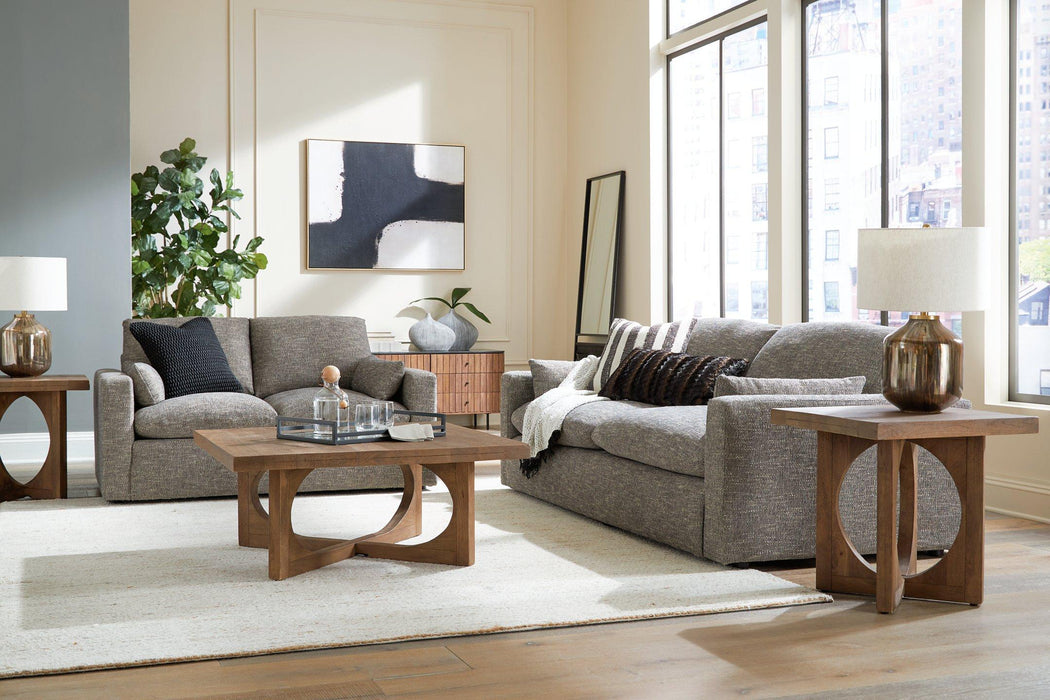
Achieving the right balance between furniture and decor is essential for a living room that’s both beautiful and practical for daily life. A good rule of thumb is the 60/40 rule: dedicate about 60% of your room to furniture and leave 40% open for movement and breathing space. This approach keeps the room from feeling overcrowded and ensures there’s enough space for easy flow.
Balance large pieces, like a sectional sofa, with smaller decorative accents such as throw pillows, vases, or framed photos. In a small living room, opt for multi-functional furniture, such as a storage ottoman that offers additional seating and a place to stash blankets, or nesting tables that can be tucked away when not in use.
By carefully considering your furniture placement and decor choices, you can create a living room that feels spacious, comfortable, and ready for anything, whether it’s a quiet evening at home or a lively gathering with friends. The right mix of seating, storage, and style ensures your space works for everyday living without sacrificing comfort or personality.
Styling Tips for a Cozy, Frequently Used Living Room
Styling details like pillows, throws, lamps, and storage transform a high-use living room from functional to genuinely inviting. The goal is to create a cozy living room that supports daily activities without looking cluttered or showing wear too quickly. Thoughtful choices make spending hours in the room feel restorative rather than exhausting.
Pillows that serve function and comfort:
-
Use 2–4 medium-firm pillows in varied sizes on the sofa
-
Include at least one that provides genuine lumbar support
-
Avoid an excess that must be moved every time someone sits; functionality beats abundance
-
Choose durable covers in colors that complement your upholstery
-
U-shaped seating arrangements are especially effective for promoting conversation and social interaction, so arrange pillows to support this layout when possible.
Throws within reach but under control:
-
Store blankets in a lidded basket or storage ottoman near seating
-
Easy access encourages use during longer sitting sessions
-
Contained storage prevents throws from overwhelming the visual space
-
Choose materials that resist pilling since they’ll see frequent use
Layered lighting for different activities:
-
Place at least one floor lamp behind or beside the main seating arrangement
-
Add a table lamp near your reading chair or corner chair for focused tasks
-
Consider dimmable options for transitioning between daytime work and evening relaxation
-
Proper lighting supports the varied activities of all-day living room use
Rugs that withstand daily traffic:
-
Flatweave or low-pile rugs show wear more slowly than plush options
-
Choose patterns or mid-tone colors that camouflage foot traffic marks
-
Ensure the rug stays flat; buckling or bunching creates hazards when people stand frequently
-
Use area rugs to help define different zones within a living room, especially in open-concept layouts.
Create intentional views from seated positions:
-
Arrange wall art and personal objects so they feel calming when viewed from your main seats
-
Consider what you’ll look at during hours of daily use, not just what looks good from the doorway
-
A nice idea: Position meaningful artwork or plants where they’re visible from your favorite chair
-
Arranging furniture in a circle or semi-circle can create a warmer and more inviting atmosphere for everyone seated.
Creating a living room that supports frequent sitting requires balancing comfort, durability, and smart furniture arrangement. Start with your primary seating piece, a well-constructed sofa with proper dimensions, then build outward with supportive new chairs, functional tables, and flexible pieces like ottomans. In open-plan spaces, use furniture placement and area rugs to create distinct zones, such as separating the living room from the dining room. Pay attention to your room dimensions and leave enough room for easy movement throughout the day. With the right living room furniture and thoughtful placement, your most-used room becomes a space where hours of sitting feel comfortable rather than confining.
Get Your Living Room Furniture at Discount Mattress & Furniture Today
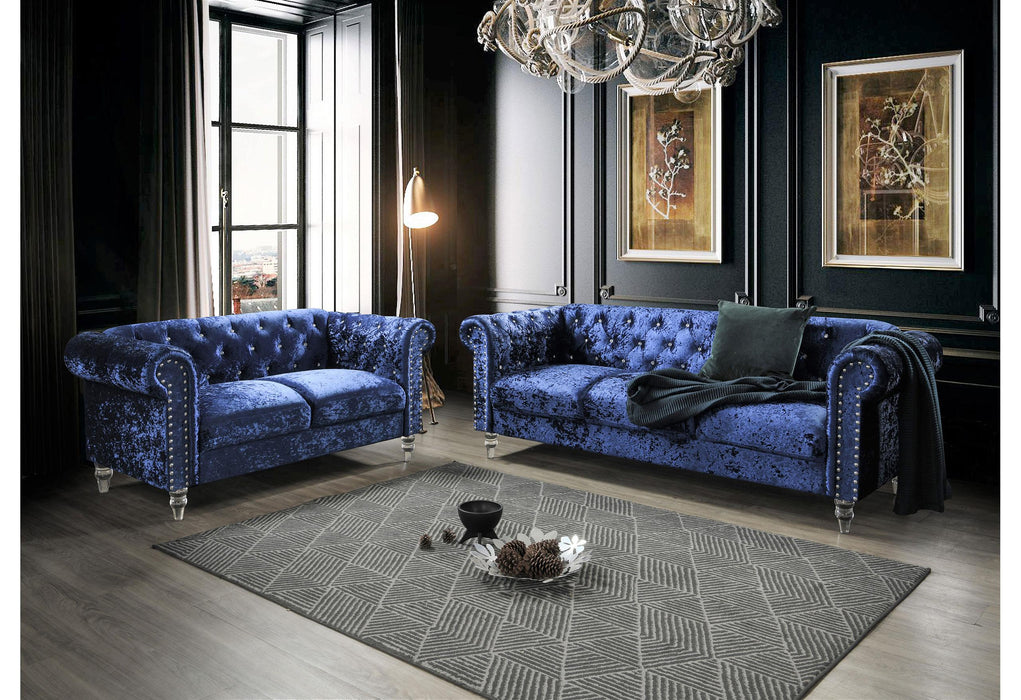
Your living room should be a space built for comfort, relaxation, and everyday use. At Discount Mattress & Furniture, our living room furniture collection includes sofas, sectionals, recliners, and accent pieces designed to fit your space and lifestyle. Each piece is selected for comfort, durability, and lasting value.
Explore our living room furniture selection today and find the right pieces to complete your home. Whether you’re refreshing a single item or furnishing your entire living room, Discount Mattress & Furniture offers options that make your space comfortable and inviting.